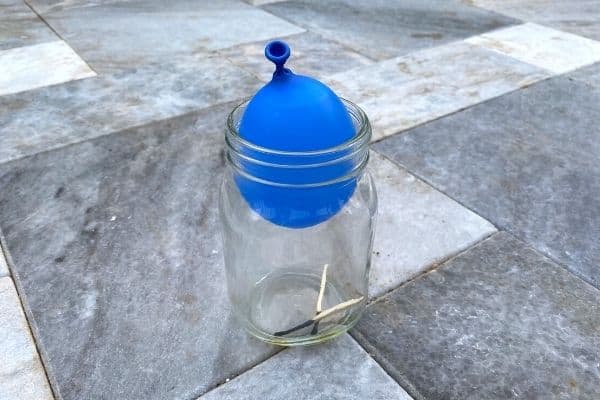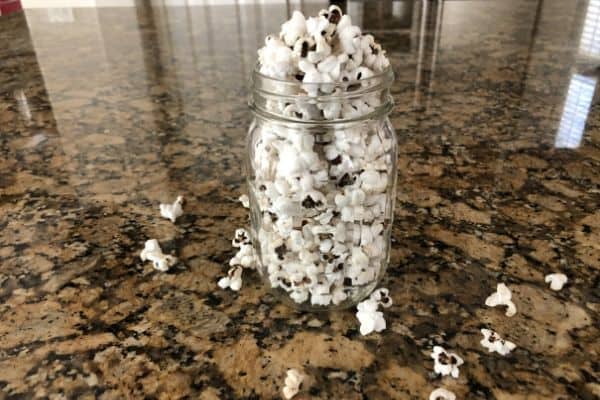
What Makes Popcorn Pop Science Experiment
Discover what makes popcorn pop in this popcorn science experiment. Your kids will love learning the science behind popping popcorn and why popcorn kernels pop.

Easy science experiments kids will love! Hands-on STEM activities for toddlers through elementary – simple setups with big reactions using everyday supplies.
Discover what makes popcorn pop in this popcorn science experiment. Your kids will love learning the science behind popping popcorn and why popcorn kernels pop.
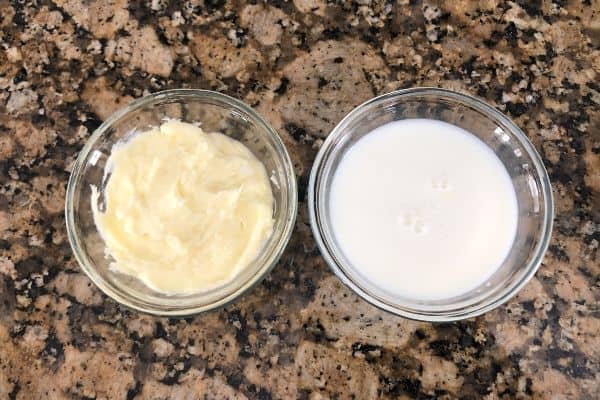
With just heavy cream and a jar with a lid, your kids can make homemade butter in a mason jar after having lots of fun and a full-body workout shaking the jar.
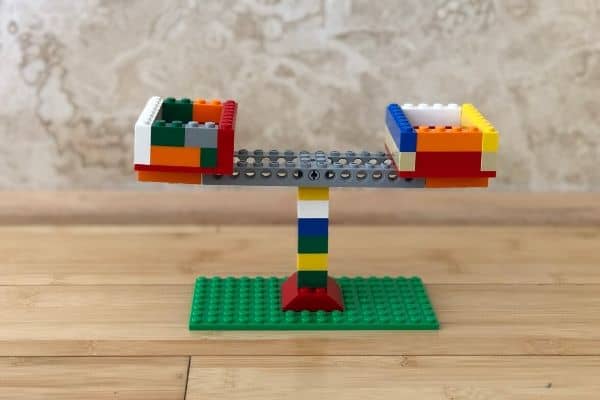
Learn how to build a LEGO balance scale that actually works! Your little ones will adore this LEGO STEM activity that's fun to make and experiment with.
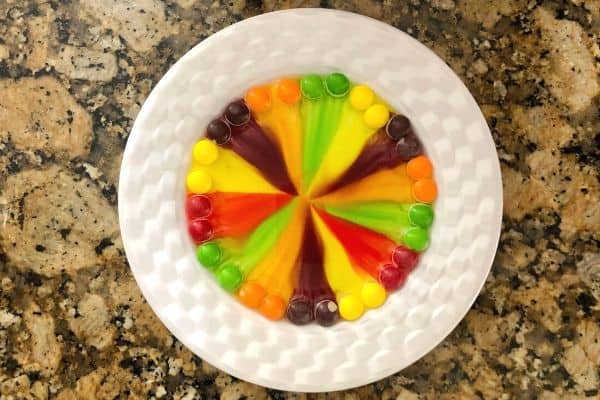
Your kids will love this magic melting Skittles experiment. With just a few steps, your kids can watch the Skittles dissolve in water and grow a beautiful rainbow!
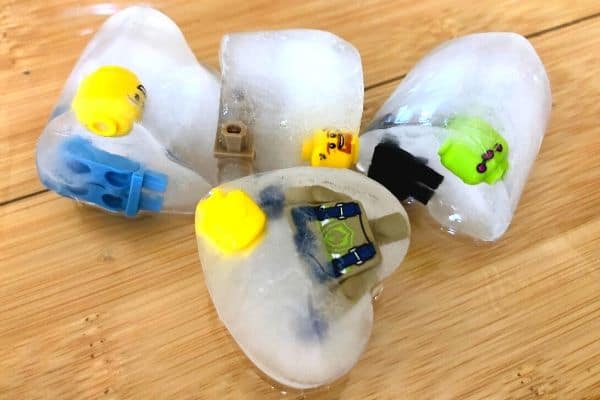
Man, our LEGO Minifigures can’t get a break. After they escaped from the slime monster, they are now trapped in an icy glacier! About 2
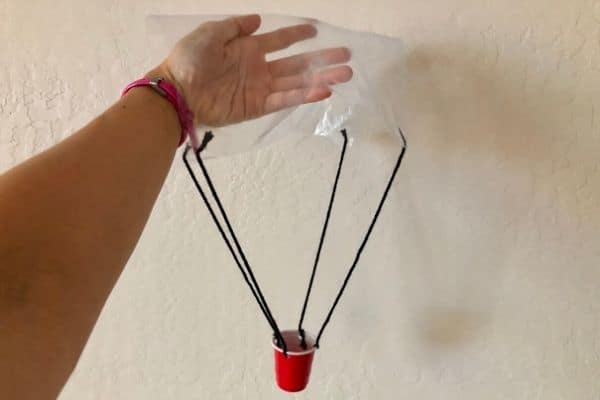
If your kids love watching things fly through the air, they'll love learning how to make a DIY plastic bag parachute. This parachute is fun for kids of all ages!
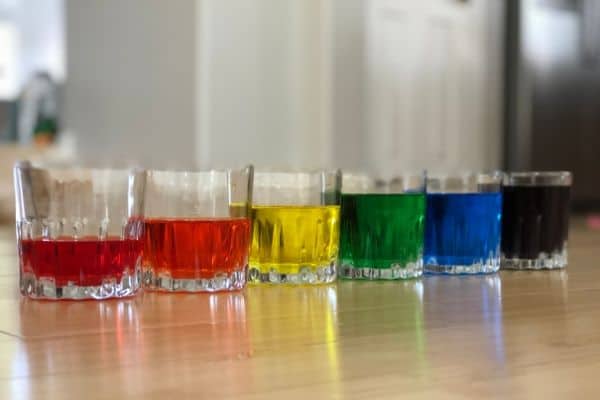
Your kids will love playing music on this simple water xylophone. Learn how to make the water xylophone and the science behind the different sounds.
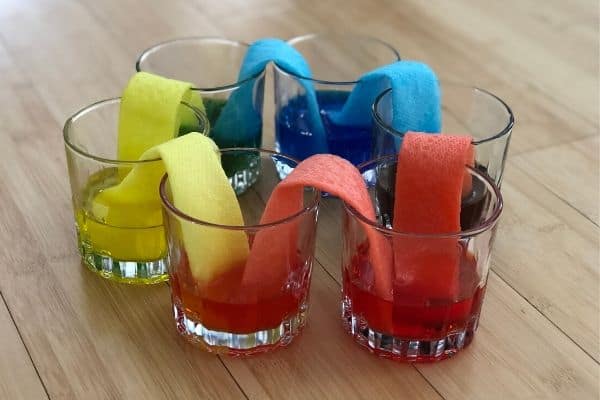
Why does the water walk up the paper towel to the other side? Sounds like an age-old riddle, but it’s actually science! Learn all about it in this rainbow walking water experiment.
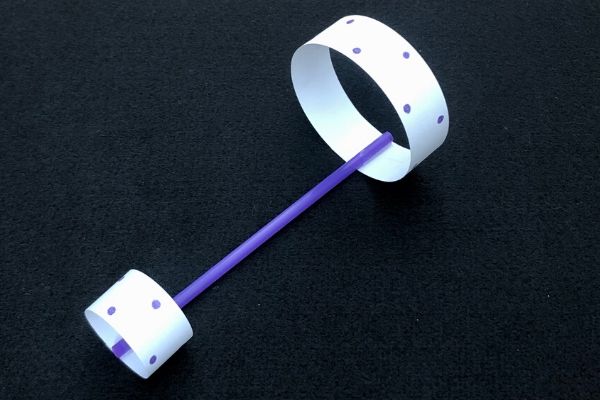
The straw airplane is easy to make and flies better than a paper airplane! Your kids will love making these hoop gliders and launching them in the air!
EXPLORE MORE
Our science experiments make learning fun and hands-on. Each experiment uses simple household materials and includes clear step-by-step instructions, the science explanation behind what's happening, and safety guidelines. Perfect for curious kids who love asking 'why?' and parents who want to nurture that curiosity.
Yes! All experiments are designed with child safety in mind. We clearly mark any steps that need adult supervision and always list safety precautions upfront.
Our science experiments work for kids ages 3 through 12. Each experiment includes an age recommendation and tips for making it easier or more challenging.
Most experiments use household items like baking soda, vinegar, food coloring, and kitchen containers. We rarely require special equipment, and when we do, we suggest affordable alternatives.