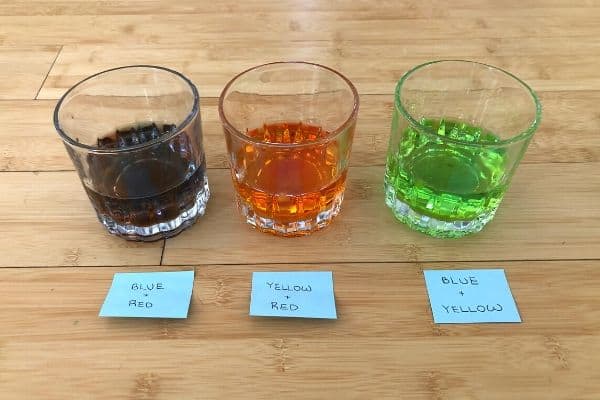
Ice Cube Primary Color Mixing Activity
This ice cube primary color mixing activity is a fun way to show preschoolers how primary colors mix and become new (secondary) colors!

Easy science experiments kids will love! Hands-on STEM activities for toddlers through elementary – simple setups with big reactions using everyday supplies.
This ice cube primary color mixing activity is a fun way to show preschoolers how primary colors mix and become new (secondary) colors!
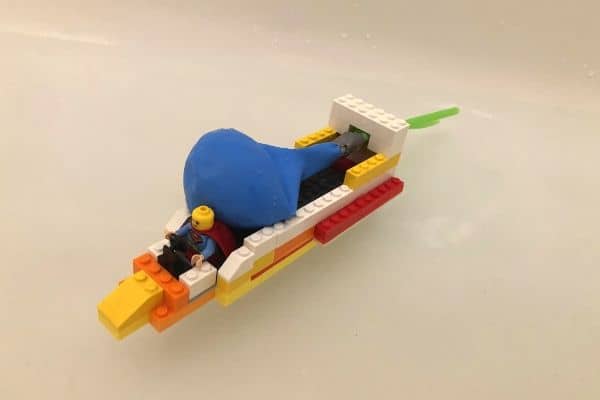
These balloon-powered LEGO boats are so fun to design and create. Your kids will love watching the bubbles push the LEGO boat around the water!
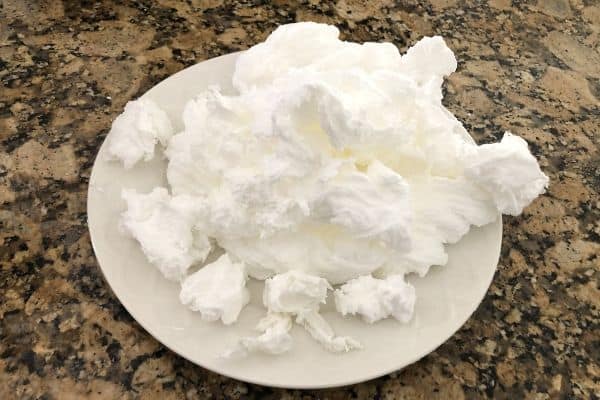
The Ivory Soap Microwave Experiment is one of the coolest science experiments for kids. All you have to do is put ivory soap in the microwave and watch it grow!
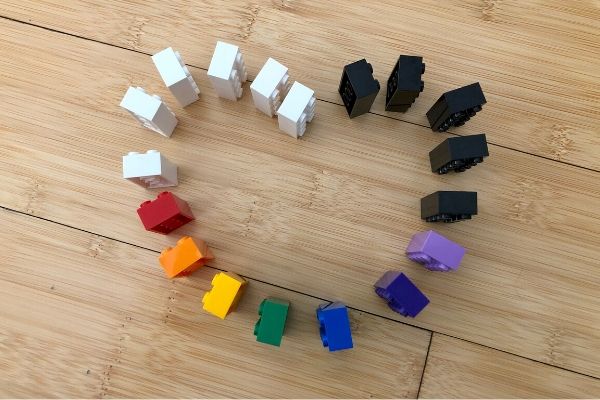
This LEGO domino chain reaction STEM challenge is a simple and fun activity that will teach your kids how energy is stored, released, and transferred.
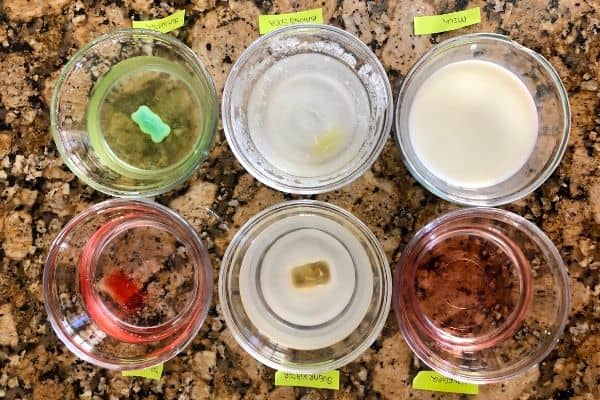
This gummy bear osmosis activity is great for showing children the scientific method. Teach your kids the simple steps with this gummy bear science experiment.
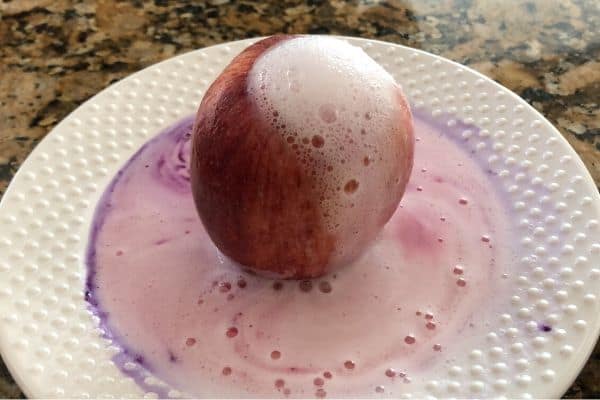
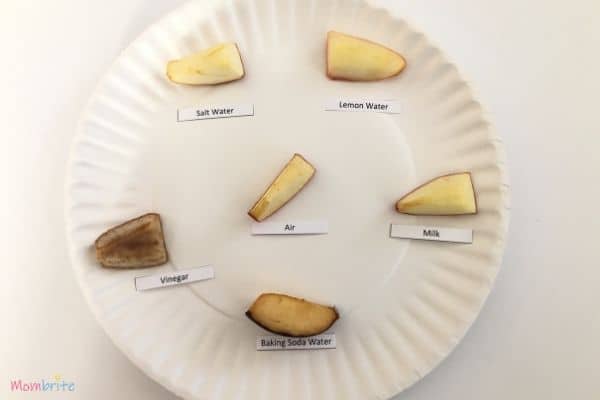
Making an apple volcano is a great way to learn about baking soda and vinegar reaction. You can use old apples that you have forgotten about in the fridge!
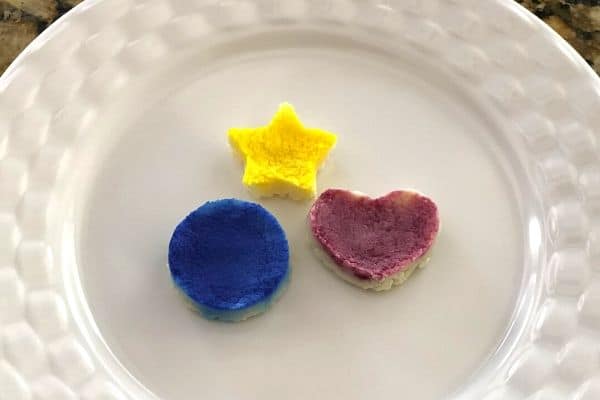
Learn how you can turn milk into plastic with just a few simple steps. This food science experiment will produce a chemical reaction that will blow your kids' minds!
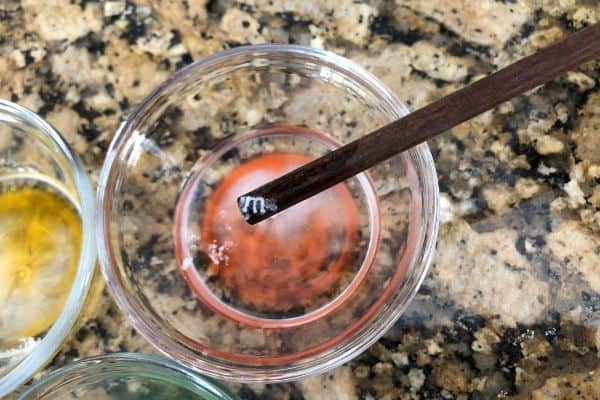
Watch M&M colors spread across the water as the white “m” floats away! This easy candy science experiment helps kids explore surface tension and dissolving.
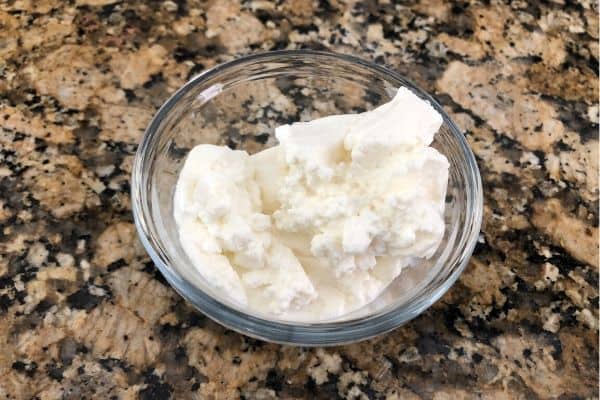
Your children will love making their very own ice cream this summer season with this homemade ice cream in a bag experiment. How cool is that!
EXPLORE MORE
Our science experiments make learning fun and hands-on. Each experiment uses simple household materials and includes clear step-by-step instructions, the science explanation behind what's happening, and safety guidelines. Perfect for curious kids who love asking 'why?' and parents who want to nurture that curiosity.
Yes! All experiments are designed with child safety in mind. We clearly mark any steps that need adult supervision and always list safety precautions upfront.
Our science experiments work for kids ages 3 through 12. Each experiment includes an age recommendation and tips for making it easier or more challenging.
Most experiments use household items like baking soda, vinegar, food coloring, and kitchen containers. We rarely require special equipment, and when we do, we suggest affordable alternatives.