
Disclosure: This post contains affiliate links. I may earn a small commission at no extra cost to you. Learn more
Hands-on space activities for kids sorted by moon, sun, planets, and rockets. Includes age ranges, supply lists, and a free printable Space Week Planner.
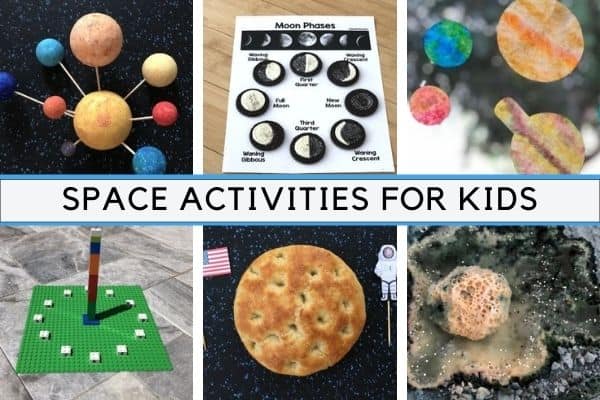
My son went through a phase where every single bedtime question was about space. Why does the moon have different shapes? What happens if you fall into a black hole? Could we live on Mars?
I didn’t have all the answers, but I figured we could find out together with our hands instead of just a screen.
We’ve tested dozens of space activities over the years, and these are the ones that actually kept my kids engaged (and taught them something real). Most use supplies you already have at home, such as Oreos (our little guilty pleasure), aluminum foil, construction paper, balloons, and the occasional bag of marshmallows.
Ready to turn your living room into mission control? Let’s do this!
Learn About the Moon
Moon Sand Recipe – Mombrite
Two ingredients, five minutes of prep, and your kids will be scooping and molding this stuff for ages. It feels like wet sand but doesn’t dry out like regular Play-Doh. We kept ours in a sealed container, and it lasted about two weeks.
Best for: Ages 3-6 | Mess level: Medium (keep a tray underneath)
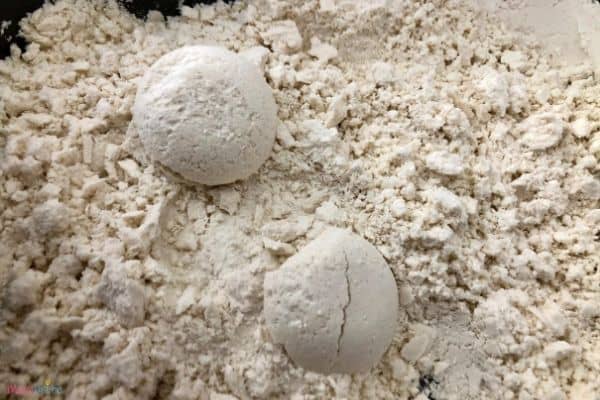
Moon Crater Activity – Mombrite
Drop marbles into flour from different heights and watch craters form, then compare them to real photos of the moon’s surface. My kids were fascinated by how the “splash” pattern in flour looks so similar to actual lunar craters. It’s a great way to introduce the idea that meteorites shaped what we see when we look up at night.
Best for: Ages 4-8 | Mess level: High (flour gets everywhere – do this outside or on a big sheet)
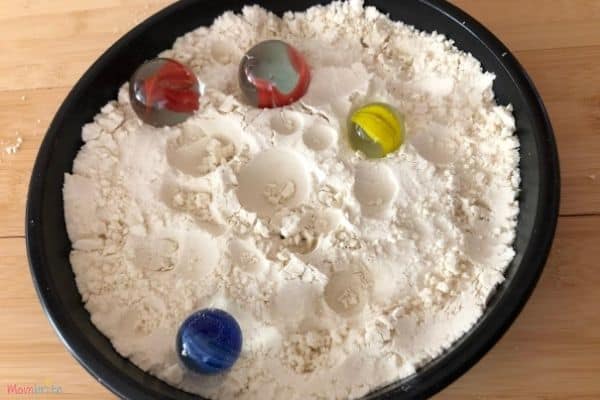
Aluminum Foil Moon Craft – Mombrite
This one is perfect for little hands that aren’t ready for scissors and glue yet. Kids crinkle aluminum foil onto a paper circle to make the moon’s bumpy, textured surface. You can even add glow-in-the-dark star stickers around the moon and hang it on the bedroom wall.
Best for: Ages 2-5 (great for toddlers and preschoolers)
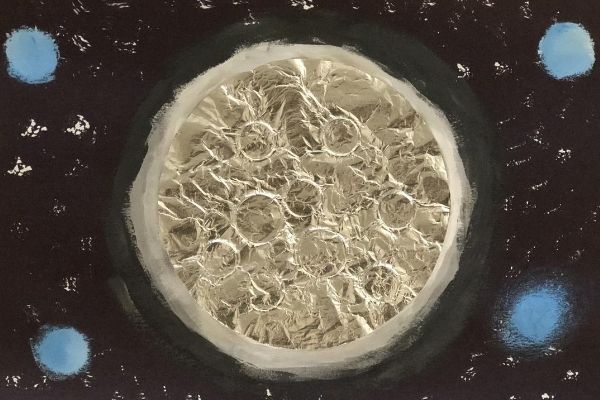
DIY Moon Rock – Mombrite
Baking soda, water, and a little creativity! Kids mix and shape their own “moon rocks,” then crack them open once they’re dry. You can hide small toys or beads inside before they harden for an extra surprise. It ties in nicely if you’re reading about the Apollo missions and how astronauts brought real moon rocks back to Earth.
Best for: Ages 4-8
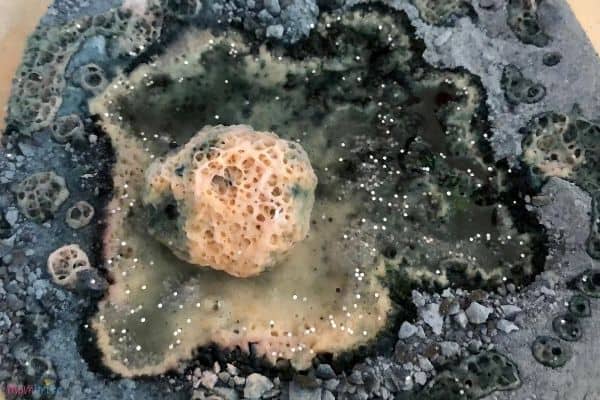
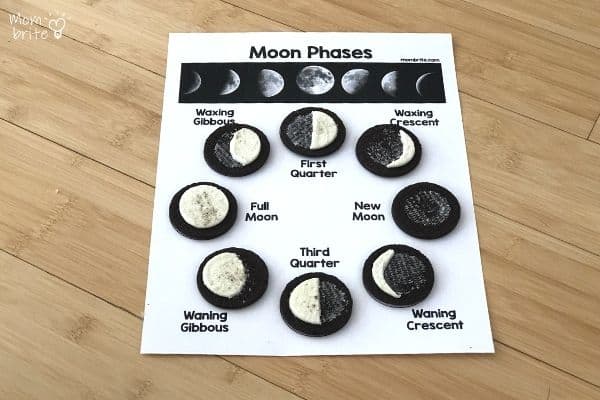
Oreo Cookie Moon Phases – Mombrite
Scrape the cream off Oreos to show each phase of the moon – new moon, waxing crescent, first quarter, all the way through.
This is one of those activities where the learning sneaks in because kids are so focused on getting the frosting just right. Comes with a free printable worksheet to label each phase.
Best for: Ages 5-10 | Supplies: 8 Oreo cookies, a butter knife, and the free moon phases worksheet
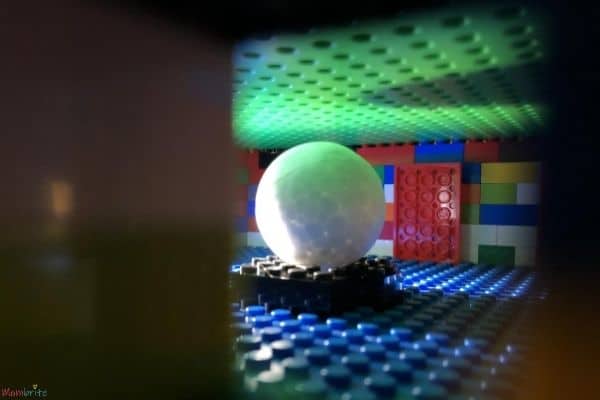
LEGO Moon Phases – Mombrite
If your kids are LEGO fans (and whose aren’t?), this one clicks immediately (ha-ha).
Build each moon phase using black and white LEGO bricks on a baseplate. It’s a more hands-on, 3D way to understand the same concept as the Oreo activity. We actually did both back-to-back, and my kids could explain the phases to their dad by the end.
Best for: Ages 5-10 | Pairs well with: The Oreo Moon Phases activity for reinforcement
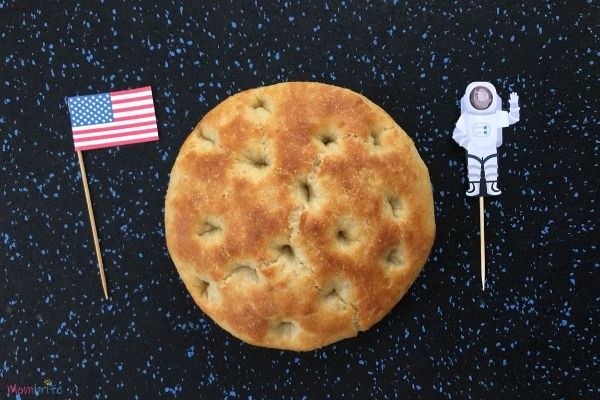
Moon Bread – Mombrite
Yes, you’re baking bread. And yes, it looks like the moon when it’s done. The dough rises unevenly, creating little “craters” on the surface.
My kids thought it was hilarious to eat moon craters for dinner. The recipe is simple enough that kids can handle most of the steps themselves.
Best for: Ages 4-10 | Bonus: Pair it with the Tarte Soleil sun pastry to make the whole sun-and-moon duo
Sun Activities
Sun Print Art with Coins – Mombrite
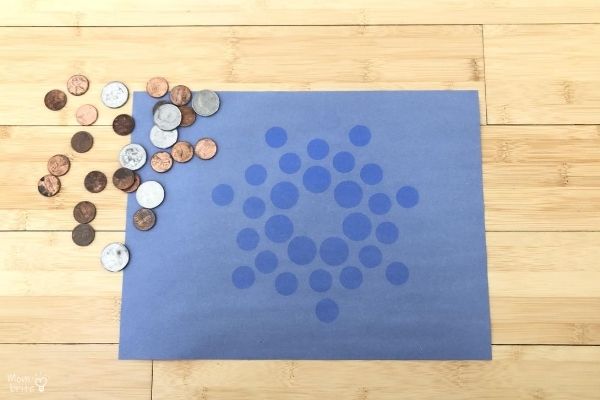
Place coins on a sheet of construction paper, leave it in direct sunlight for a few hours, then remove the coins to reveal the shapes. It’s a simple demonstration of how UV light fades color, and kids are always surprised by how crisp the outlines turn out.
Best for: Ages 4-8 | You’ll need: A sunny day and about 2-3 hours of wait time
LEGO Sundial – Mombrite
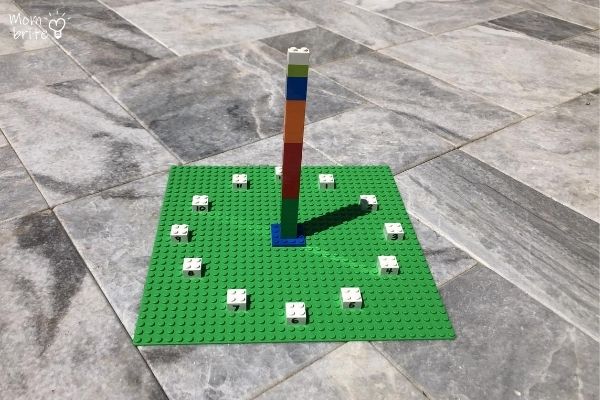
Build a working sundial out of LEGO bricks, take it outside, and check it every hour to see the shadow move. My kids were genuinely shocked that people used to tell time this way. It opens up conversations about Earth’s rotation and why shadows shift throughout the day.
Best for: Ages 6-10 | You’ll need: A sunny day and patience to check it at different hours
DIY Solar Oven – Mombrite
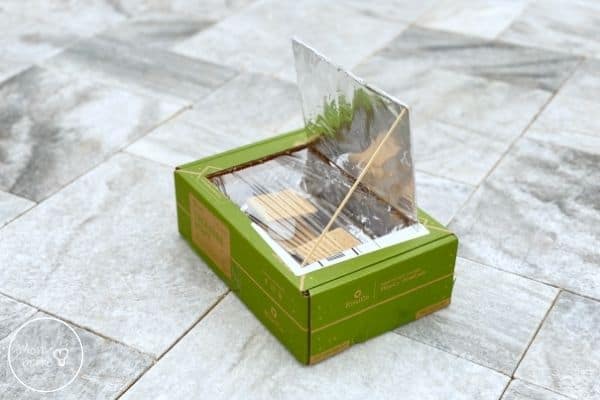
A cardboard box, aluminum foil, plastic wrap, and sunshine – that’s all it takes to melt a s’more using nothing but the sun’s energy. We made ours on a July afternoon, and the chocolate was completely melted within 20 minutes (we do live in Arizona though). It’s a perfect intro to solar energy and thermal science without any complicated setup.
Best for: Ages 5-12 | Mess level: Low (unless the s’more falls apart, which it will)
Paper Plate Sun Suncatcher Craft – Mombrite
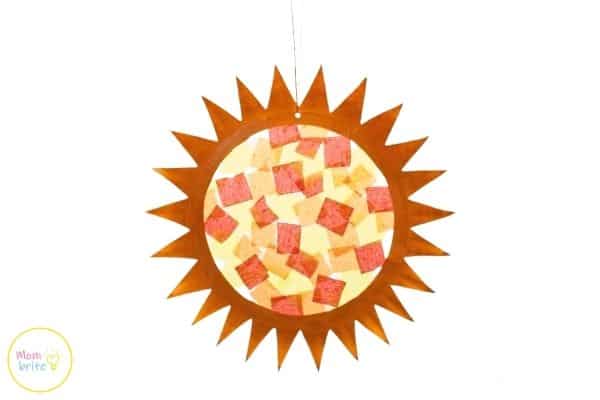
Cut out the center of a paper plate, cover it with tissue paper in warm colors, and hang it in a sunny window. The light shines through and throws colored patterns across the room. It’s a calmer, craftier activity that works well alongside the more science-heavy sun projects.
Best for: Ages 3-7
Explore the Planets and Stars
Once kids get past the moon and sun, they usually want to know about everything else out there. These activities cover the solar system, constellations, and galaxies, and range from simple crafts for younger kids to projects that take a bit more focus.
3D Solar System Model – Mombrite
Paint foam balls, mount them on sticks at different heights, and you’ve got a 3D solar system model that actually shows relative planet sizes. We used ours as a reference throughout our space unit all week. It’s also a popular science fair project if you need one on short notice.
Best for: Ages 6-12 | Great for: Science fairs, homeschool space units, or bedroom decor
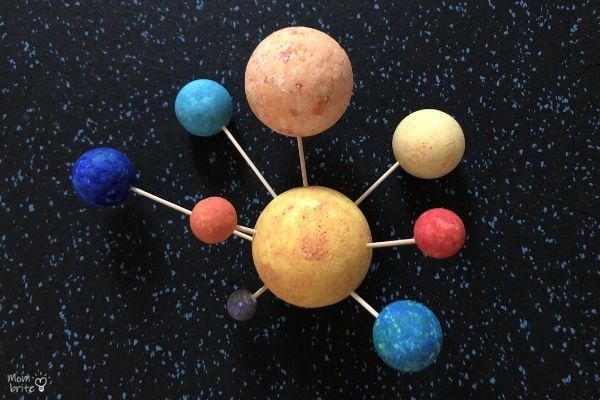
Solar System Model & Rocket Launch Kit – KiwiCo
This kit packs two activities into one box – kids paint foam planets and build a spinning solar system model, then construct air-powered orbiter spaceships and launch them with a hand pump. It also comes with a poster full of planet facts and a “Future Astronaut” certificate, which my kids immediately framed.
If you want one kit that covers both the planets section AND rocket day of your space week, this is it. We’ve used KiwiCo kits for years and they consistently deliver quality.
Best for: Ages 5-9

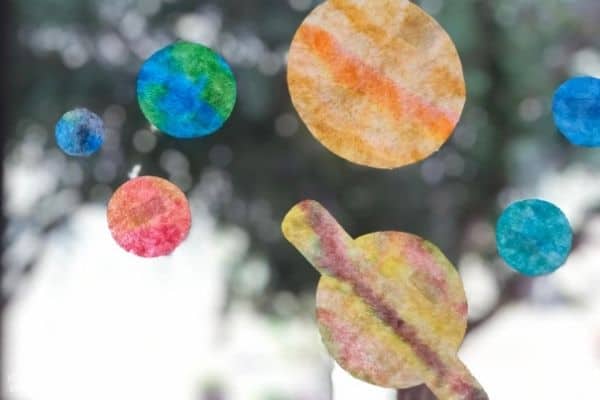
Coffee Filter Planets Suncatchers – Mombrite
Color coffee filters with markers, spray them with water, and watch the colors blend together into something that actually looks like a planet. Cut them into circles and tape them to the window in solar system order. My kids kept rearranging theirs to quiz each other on planet names.
Best for: Ages 4-8
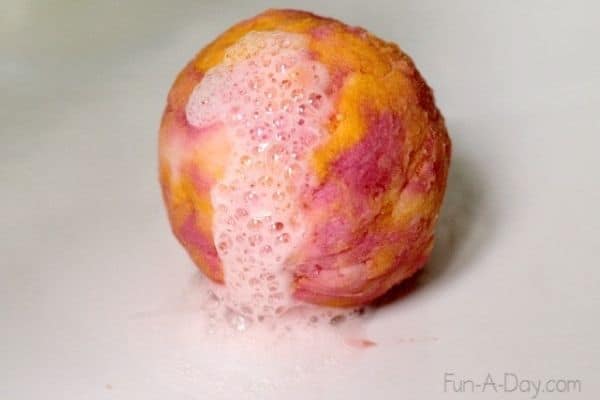
Fizzing Planets – Fun A Day
Mix baking soda and food coloring into ball shapes, then drop vinegar on them and watch them fizz. Each “planet” can be a different color. It’s a chemical reaction activity with a space twist – messy, exciting, and the kind of thing kids want to do over and over.
Best for: Ages 3-7 | Mess level: High (vinegar + food coloring = do this outside)
Puffy Planets Solar System – Thimble and Twig
Shaving cream and glue mixed together create puffy, textured planets that dry raised off the paper. It’s a sensory-rich activity that younger kids especially love because it feels so different from regular painting. Once dry, the texture actually looks like gas giant atmospheres – Jupiter and Saturn turn out particularly cool.
Best for: Ages 3-6

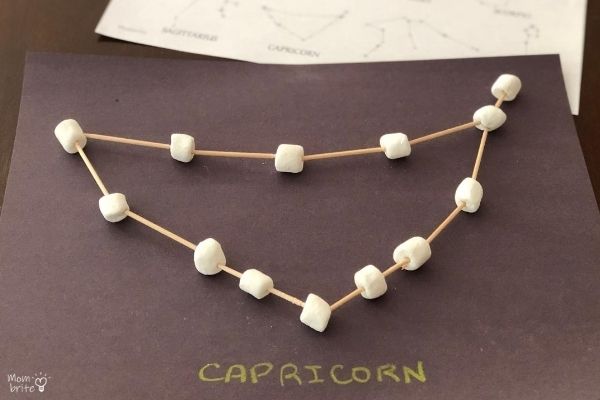
Marshmallow Zodiac Constellations – Mombrite
Connect mini marshmallows with toothpicks to build each zodiac constellation. Kids love finding their own sign first, then building the rest. It’s a sneaky way to work on fine motor skills and spatial reasoning while learning star patterns.
Best for: Ages 5-10 | Supplies: Mini marshmallows and toothpicks (use slightly stale marshmallows – they hold the toothpicks better)
Origami Paper Star Zodiac Constellations – Mombrite
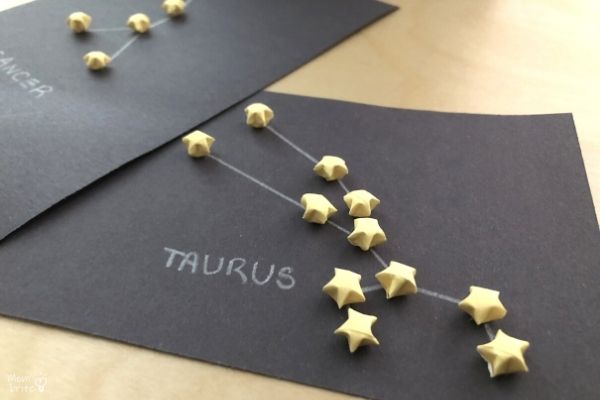
Fold small 3D origami stars and arrange them on dark paper to recreate constellations. This one takes more patience than the marshmallow version, so it works well for older kids or as a follow-up activity. The finished constellations look great displayed on a bulletin board or bedroom wall.
Best for: Ages 7-12
Galaxy Water Bin – Fun A Day
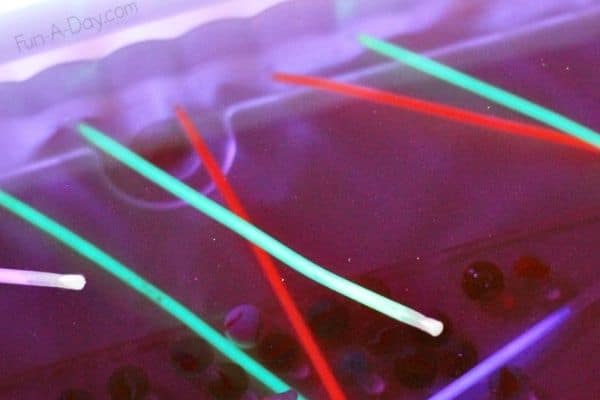
Fill a bin with water, add watercolors or food coloring, toss in some glitter and glow-in-the-dark stars, and let kids scoop and pour to their heart’s content. This is a sensory play activity more than a structured lesson — but it’s a great calm-down option during a busy space week, especially for toddlers and preschoolers.
Best for: Ages 2-5
Sun, Earth, and Moon Paper Craft – Mombrite
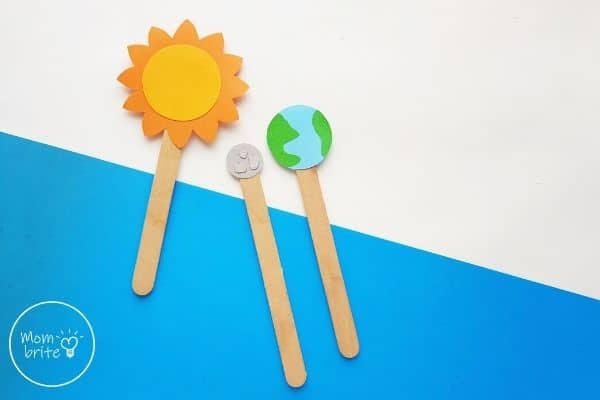
Color and cut out the sun, Earth, and moon, then attach them to popsicle sticks so kids can physically move them around each other. It’s a simple way to show orbit patterns – Earth goes around the sun, the moon goes around the Earth. My kids acted out eclipses with theirs for about 20 minutes straight.
Best for: Ages 4-8
Galaxy Painted Christmas Ornaments – Mombrite
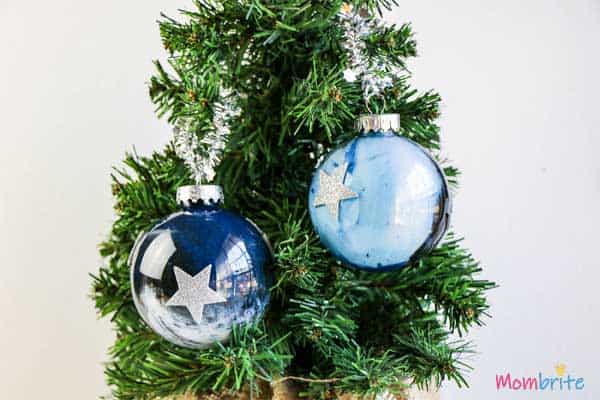
Swirl acrylic paint inside clear ornament balls to create galaxy patterns. This one’s seasonal (great for December), but honestly my kids would happily make these in July. The swirling paint creates patterns that genuinely look like nebulae. They make great gifts too.
Best for: Ages 5-12 | Best for: Christmas time or space-themed party favors
Blast Off with Rocket Activities
Once you start building rockets, your kids are going to want to build rockets every single day. I don’t blame them, they are a whole lot of fun!
These range from super simple (straw rockets, five minutes) to slightly more involved (balloon rockets that fly like a real one). All of them are loud, exciting, and worth the chaos.
Balloon Rocket – Mombrite
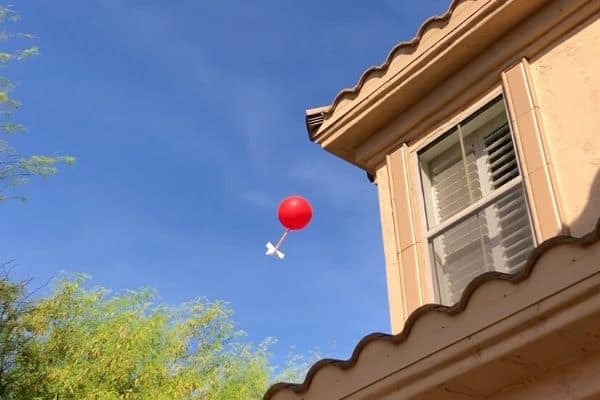
This is the big one. Attach a balloon to a straw and cardboard fins, and when you let go, it shoots straight up – we’ve gotten ours about two stories high. It’s a fantastic demonstration of Newton’s third law (every action has an equal and opposite reaction), and kids can experiment with different fin designs and balloon sizes to see what flies highest.
Best for: Ages 5-12 | Do this: Outside, on a calm day
Straw Rockets – Mombrite
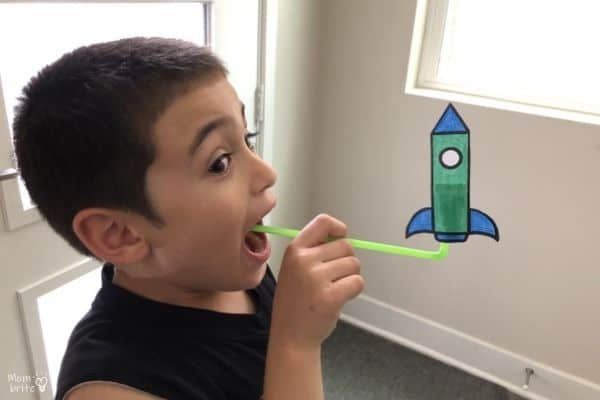
Wrap paper around a straw, tape it into a rocket shape, blow into the straw, and watch it launch across the room. This is the easiest rocket activity on the list – set up takes maybe three minutes and cleanup is basically nothing. Great for rainy afternoons or when you need something fast.
Best for: Ages 3-8 | Setup time: Under 5 minutes | Indoor-friendly: Yes
Balloon Rocket Race – Mombrite
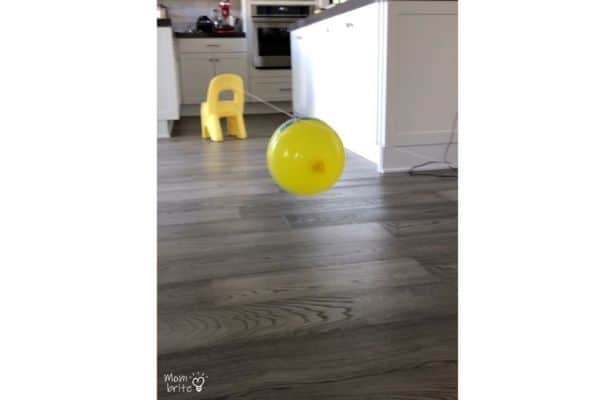
Thread a string across the room, tape a balloon to a straw on the string, and let it rip! The balloon races along the line as the air escapes. It’s a different take on the balloon rocket concept and works great as a head-to-head race if you set up two strings side by side.
Best for: Ages 4-10
Baking Soda Rocket – Science Sparks
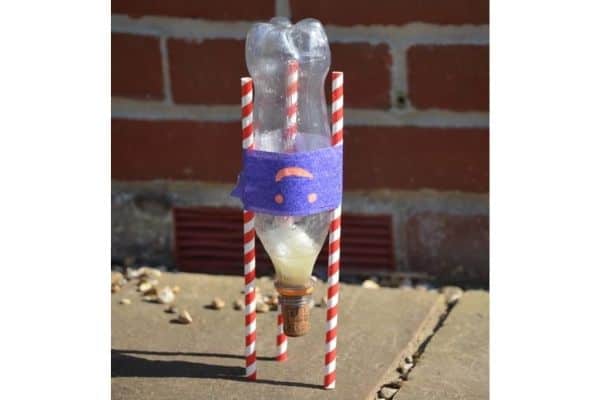
Fill a film canister (or small container) with baking soda and vinegar, snap the lid on, flip it upside down, and stand back. The pressure builds until – POP – the canister launches into the air. This one gets a huge reaction every time. Just make sure everyone steps back before it goes off.
Best for: Ages 6-12 | Mess level: Medium | Do this: Outside only
Toilet Paper Roll Rocket Craft – Mombrite
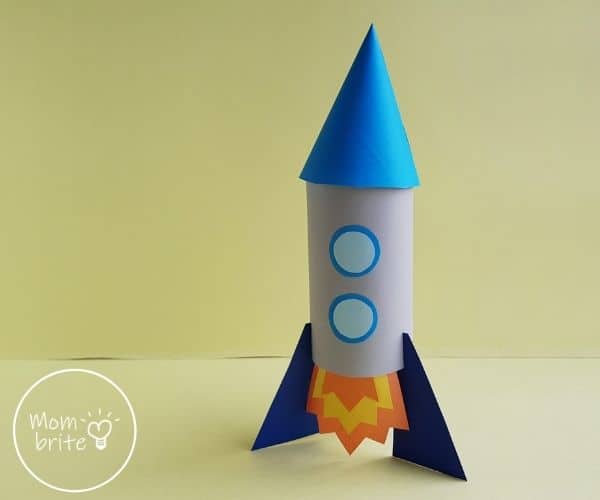
Transform an empty toilet paper roll into a rocket with some paint, construction paper fins, and a cone top. It doesn’t fly, but it looks great on a shelf or as part of a space diorama. We made a whole fleet of these during our space week.
Best for: Ages 3-7
Toilet Paper Roll Satellite Craft – Mombrite
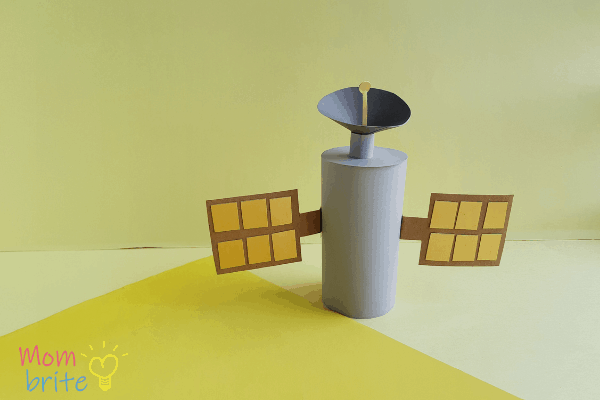
Same idea as the rocket, but this time you’re building a satellite, complete with solar panel “wings” made from cardboard. It pairs perfectly with the rocket craft and gives you a chance to talk about what satellites actually do (GPS, weather, TV signals) and why they orbit Earth.
Best for: Ages 4-8
Tips for Planning a Space Week at Home
If your kids are really into space right now, you can easily stretch these activities into a whole week of themed learning:
- Monday: Start with the moon – try the Oreo moon phases and LEGO moon phases back to back
- Tuesday: Move to the sun – build a LEGO sundial in the morning and a solar oven in the afternoon
- Wednesday: Planets day – build the 3D solar system and make coffee filter planet suncatchers
- Thursday: Constellations – marshmallow constellations during the day, then try stargazing at night
- Friday: Rocket day – start simple with straw rockets, work up to the balloon rocket
We turned this into a printable planner so you don’t have to keep scrolling back to this post all week. It’s got a blank daily schedule (you pick the activities), a supply checklist organized by category, and journal prompts with drawing space for moon phases, constellations, and spaceship design. Grab the free Space Week Printable Planner and plan your whole week in one sitting.

If you want printable space coloring pages to fill downtime between activities, grab our free outer space coloring pages.
FAQ about Space Activities for Kids
What age are these space activities for?
Most work for ages 4-10, but I’ve included age recommendations for each one. The sensory activities (moon sand, galaxy water bin) are great for toddlers, while the 3D solar system model and origami constellations work better for older elementary kids.
What supplies do I need?
You probably have most of them already: construction paper, aluminum foil, Oreo cookies, baking soda, balloons, straws, marshmallows, toothpicks, and toilet paper rolls. A few activities need LEGO bricks or craft paint.
Can I use these for homeschool or a classroom?
Absolutely. Many of these fit into an Earth and Space Science unit. The moon phases activities align with understanding patterns in the sky, the sundial and solar oven tie into Earth’s rotation and solar energy, and the rocket activities connect to forces and motion.
How long does each activity take?
Most take 15-30 minutes, though the solar oven and sundial need a few hours of wait time for the sun to do its work. The 3D solar system model is the most involved – plan about an hour for painting and assembly.
Want a Live Space Class With a Real Teacher?
If your kids are deep enough into space that a craft or experiment no longer scratches the itch, Outschool is worth exploring. It’s a platform with thousands of live online classes for kids ages 3–18, and the space and astronomy section has classes on everything from moon phases and the solar system to rocket engineering and stargazing.
Classes are small-group, live, and taught by teachers who specialize in exactly this stuff. My kids have done live science classes on Outschool and the fact that there’s a real person asking them questions and reacting to their answers makes a huge difference compared to a video or a worksheet.
Betty
I really enjoy your projects and free patterns. I make one of your projects and put it together, then Make copies of the parts, put in ziplocks for my daughter’s classroom to make. The children love them, and do a great job. Most English is a second language, but they catch on quickly. My daughter makes it special and reads a story to go with the project. We appreciate you so much. Thank you .
Aw thank you for sharing! I am so glad!