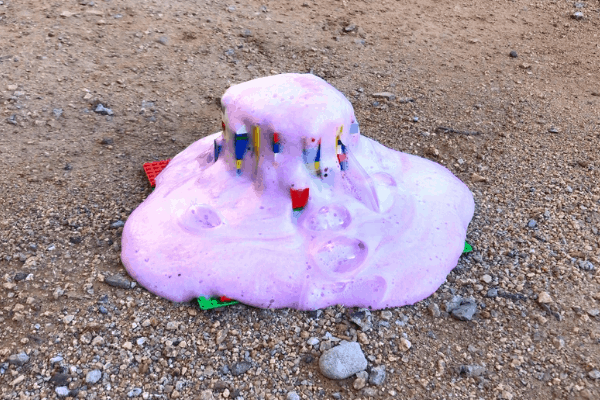
How to Make a LEGO Volcano that Erupts!
Learn how to make a LEGO Volcano that erupts! In this awesome experiment, children will love building a volcano with LEGO blocks and watching it explode.

Easy science experiments kids will love! Hands-on STEM activities for toddlers through elementary – simple setups with big reactions using everyday supplies.
Learn how to make a LEGO Volcano that erupts! In this awesome experiment, children will love building a volcano with LEGO blocks and watching it explode.
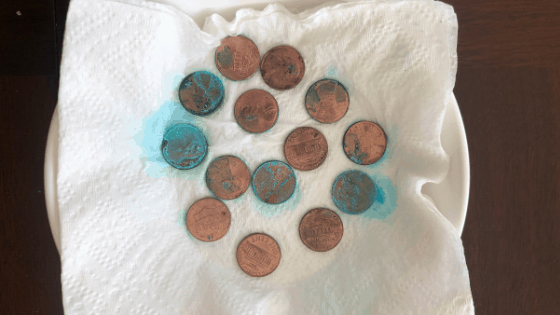
How do you clean pennies? Check out the effect of salt and vinegar on pennies and why the coins turn green in this fun science experiment for kids!
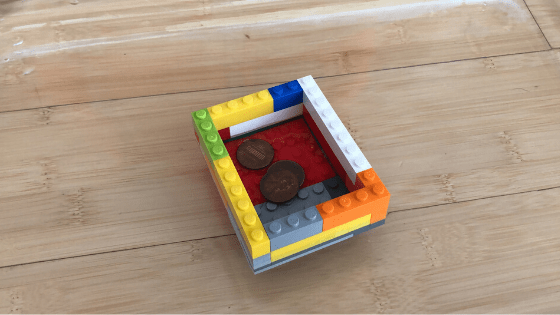
Your future engineer will love tackling this exciting LEGO penny boat challenge. It's a twist on the classic foil boat challenge but using LEGO blocks instead of foil!

Make a string telephone and explore how sound travels through vibrations in this fun, hands-on science experiment kids love to try at home or school.
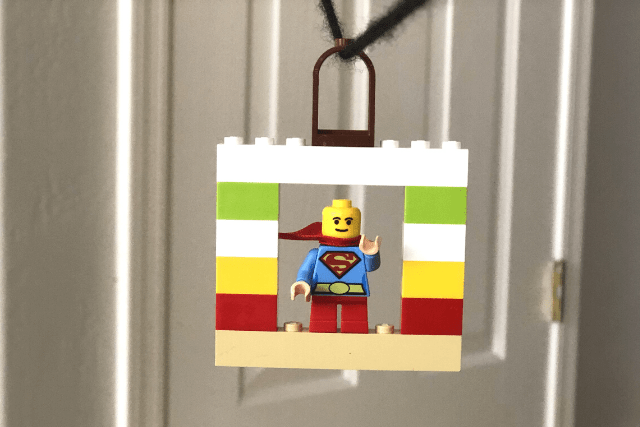
You can learn so much from a simple LEGO zip line activity! Let your child design his own "cage" that will send the minifigure down the zip line!
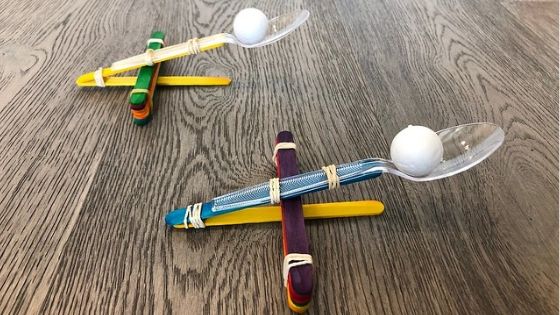
Check out how you can make a simple popsicle stick catapult with materials you already have at home. It's a fun STEM project that you can do with your kids indoors on a rainy day!
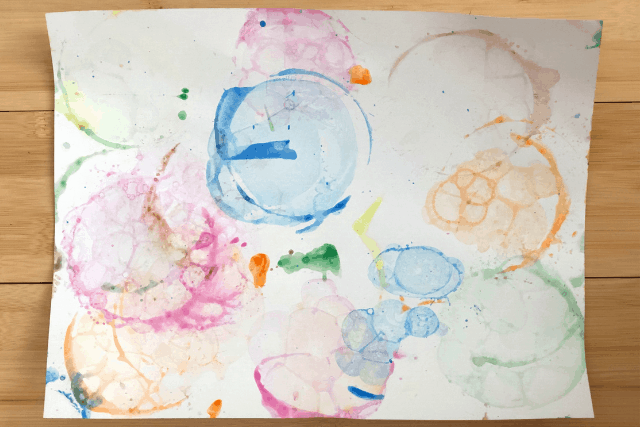
Your kids will love learning how to paint with bubbles! The result of this bubble painting art project looks amazing because the bubbles form unique patterns on the paper.
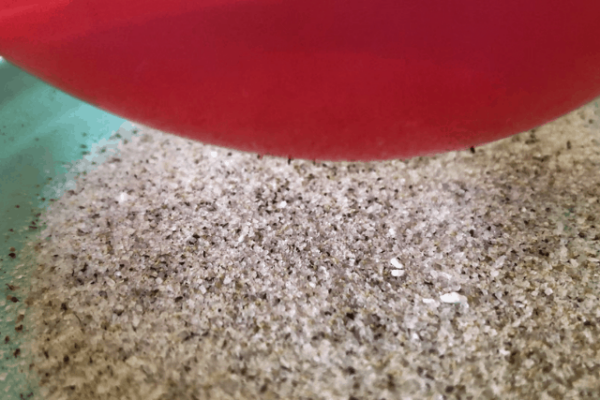
The salt and pepper static electricity experiment is easy to perform and fun for the kids. Show your kids how a balloon can magically separate salt and pepper!
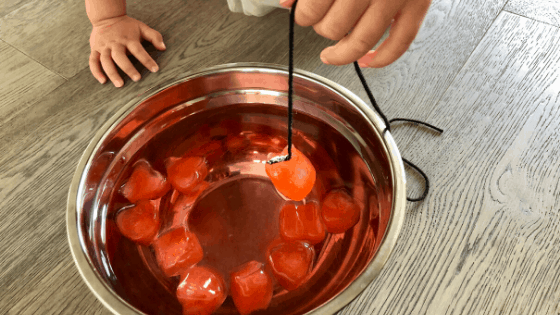
Show your kids how you can pick up an ice cube with a piece of string. This ice fishing science experiment seems impossible at first and will amaze your kid!
EXPLORE MORE
Our science experiments make learning fun and hands-on. Each experiment uses simple household materials and includes clear step-by-step instructions, the science explanation behind what's happening, and safety guidelines. Perfect for curious kids who love asking 'why?' and parents who want to nurture that curiosity.
Yes! All experiments are designed with child safety in mind. We clearly mark any steps that need adult supervision and always list safety precautions upfront.
Our science experiments work for kids ages 3 through 12. Each experiment includes an age recommendation and tips for making it easier or more challenging.
Most experiments use household items like baking soda, vinegar, food coloring, and kitchen containers. We rarely require special equipment, and when we do, we suggest affordable alternatives.