Easy Sun Print STEM Activity: The Power of the Sun
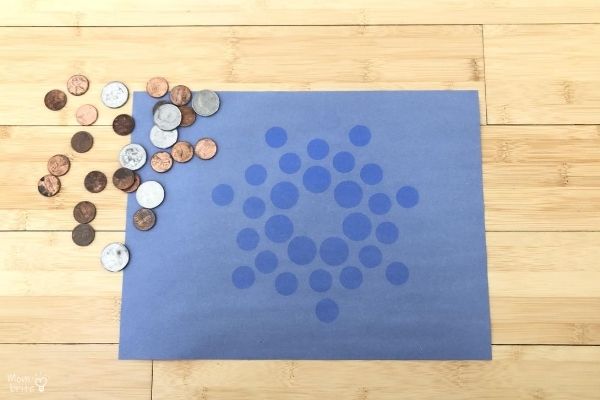
Learn how your kids can make designs and patterns on colored paper simply by using the power of the sun! Your kid will love this easy STEM activity.

Easy science experiments kids will love! Hands-on STEM activities for toddlers through elementary – simple setups with big reactions using everyday supplies.
Learn how your kids can make designs and patterns on colored paper simply by using the power of the sun! Your kid will love this easy STEM activity.
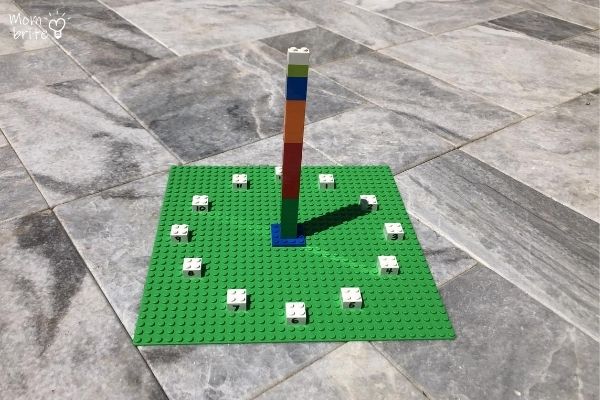
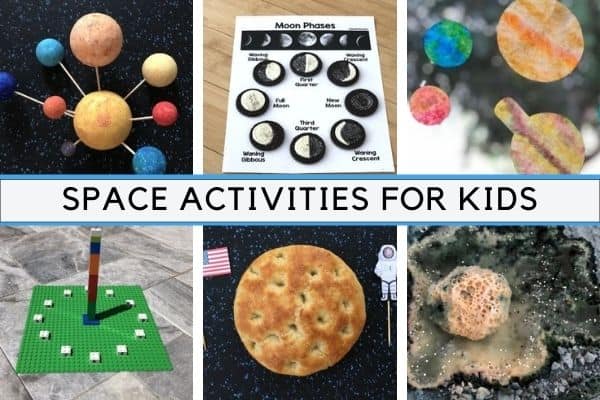
Why make a regular sundial when you can make a LEGO sundial? Learn how to tell time by using the movement of the sun with this fun project.
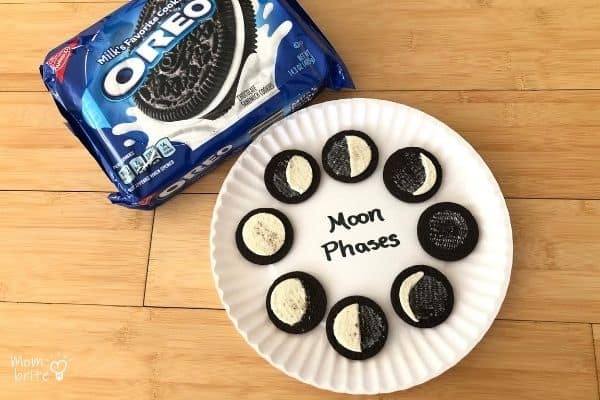
This Oreo cookie moon phases activity comes with a free printable worksheet for your kid to learn the different phases of the moon throughout the month.
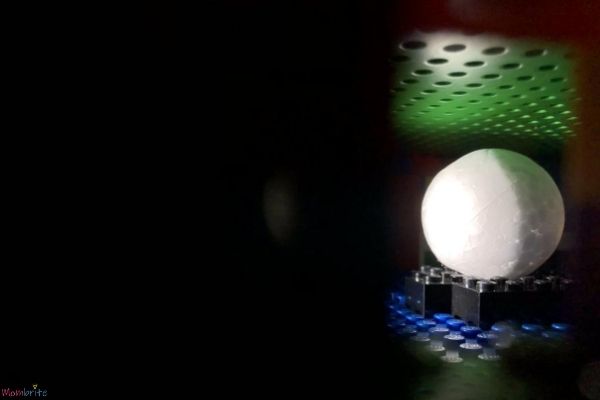
Why does the Moon change its shape? This LEGO moon phase science activity will combine engineering with astronomy for a fun moon phase demonstration!
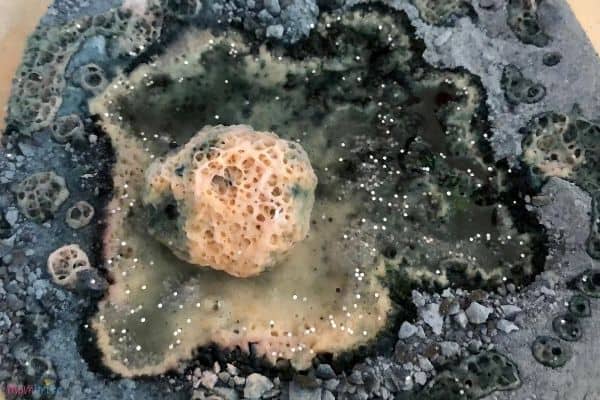
Make your own DIY moon rocks at home! Moon rocks are easy to make and fun to play with. Take a hammer to it or soak it with vinegar to see what happens!
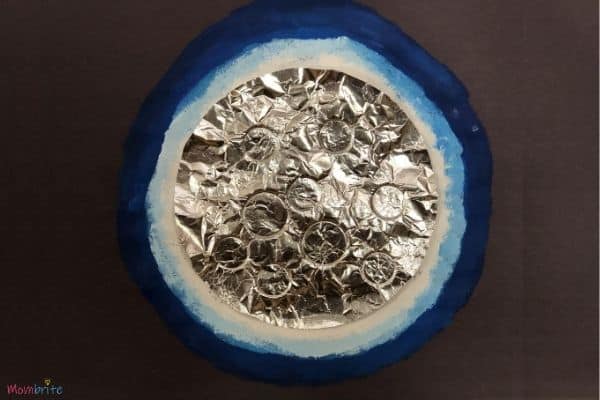
Aluminmum foil moon is an easy and fun craft for preschoolers. Learn how to make craters on the foil moon and paint the beautiful moon glow!
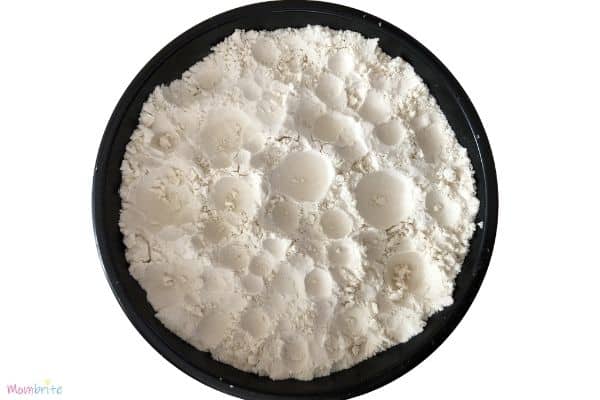
Explore how moon craters are made in this simple and fun STEM activity. You only need some flour, a cake pan, and something to drop in the flour!
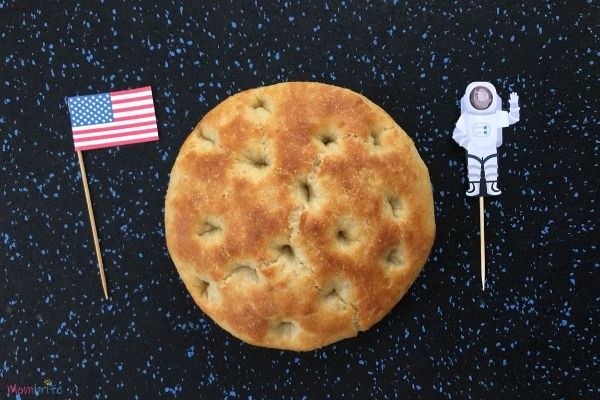
Your kids will love making moon bread as a space themed activity! They can learn about yeast's role in baking and help make craters on the moon!
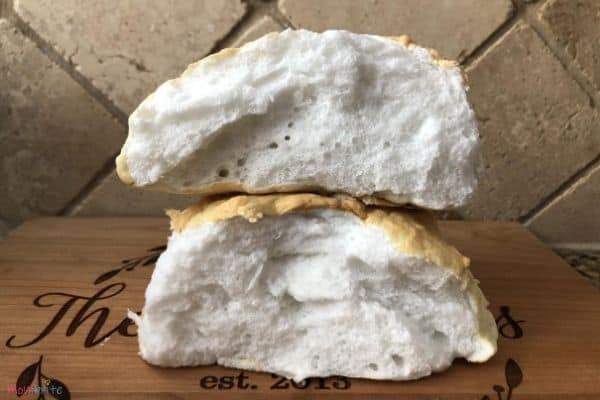
Learn how to make the famous 3 ingredient cloud bread that is so fluffy that will blow your mind! It looks like a pillow and tastes like a sweet sponge!
EXPLORE MORE
Our science experiments make learning fun and hands-on. Each experiment uses simple household materials and includes clear step-by-step instructions, the science explanation behind what's happening, and safety guidelines. Perfect for curious kids who love asking 'why?' and parents who want to nurture that curiosity.
Yes! All experiments are designed with child safety in mind. We clearly mark any steps that need adult supervision and always list safety precautions upfront.
Our science experiments work for kids ages 3 through 12. Each experiment includes an age recommendation and tips for making it easier or more challenging.
Most experiments use household items like baking soda, vinegar, food coloring, and kitchen containers. We rarely require special equipment, and when we do, we suggest affordable alternatives.