Blood Slime Model: Components of Blood Science Activity
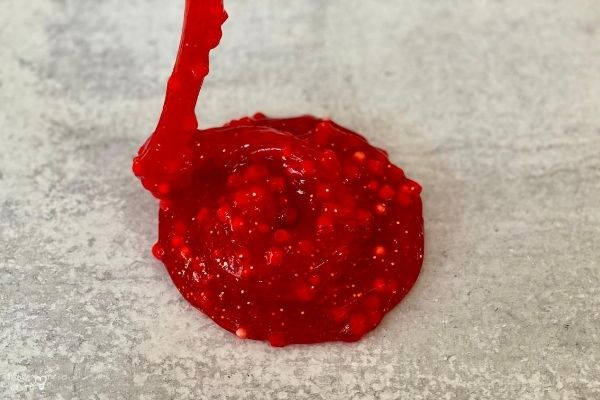
Teach your child the components of blood by making a fun blood slime model! It also makes a fun and gross, icky Halloween activity.

Easy science experiments kids will love! Hands-on STEM activities for toddlers through elementary – simple setups with big reactions using everyday supplies.
Teach your child the components of blood by making a fun blood slime model! It also makes a fun and gross, icky Halloween activity.
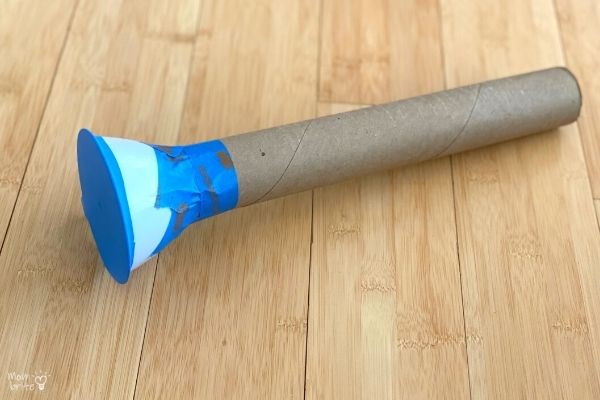
Find out how to make a simple stethoscope that your kids can use to listen to heartbeats and learn how to calculate the resting heart rate.
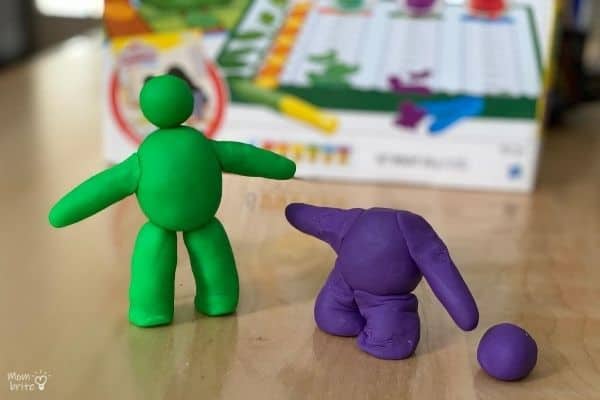
How important are our bones? Show your kids the role our bones play in supporting our weight with this fun Play-Doh skeleton activity!
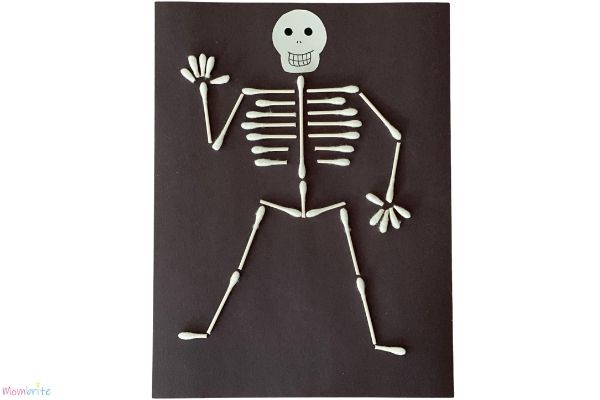
Your kids will have love learning about the human skeletal system by building it with Q-tips. This Q-tip skeleton craft also doubles as a Halloween craft!
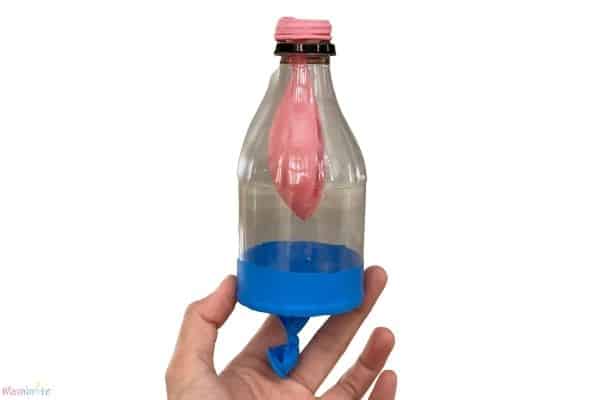
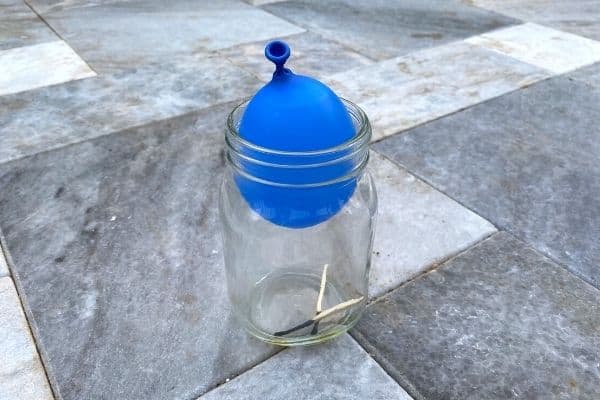
Learn how our lungs work with this simple balloon lung model. Your kids will be amazed at how we breathe and how to do it properly!
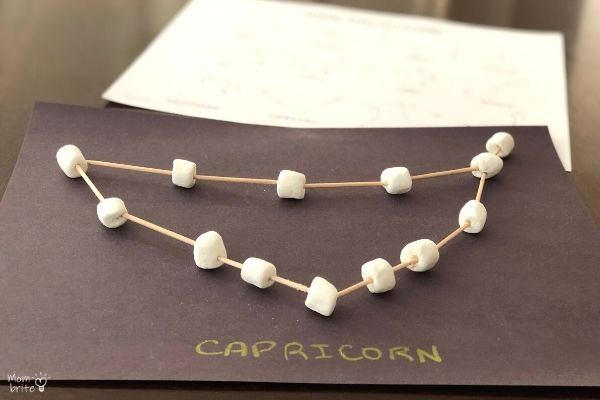
Using marshmallows and toothpicks to make zodiac constellations is such a fun way for kids to learn about the bright stars in the night sky!
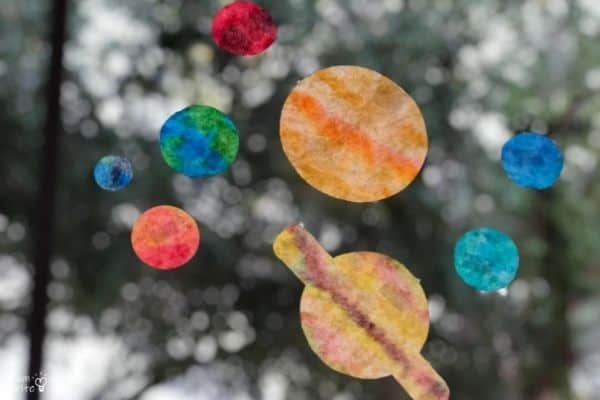
Coffee filter art is always so fun with the kids. They can draw practically anything they want on the coffee filters, and it will look
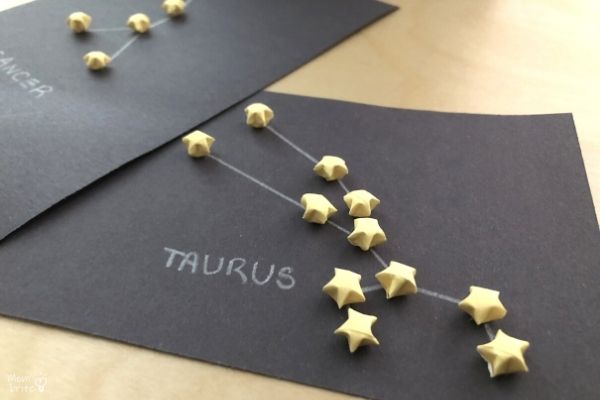
Learn how to make 3D origami stars and use them to make your zodiac constellation. They make a cool wall decoration and a nice homemade gift!
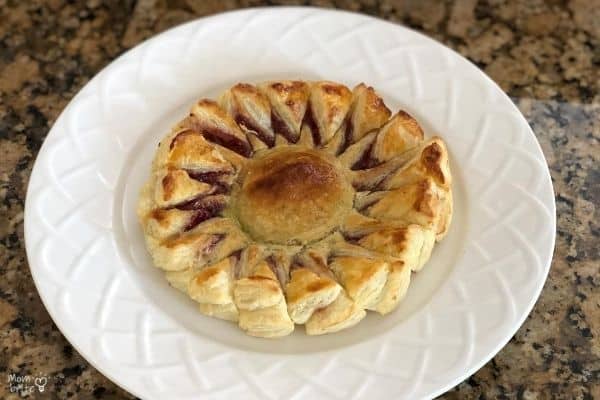
Tarte soleil looks complex and intricate, but it's actually very easy to make. Your kids can even make it themselves and impress the adults!
EXPLORE MORE
Our science experiments make learning fun and hands-on. Each experiment uses simple household materials and includes clear step-by-step instructions, the science explanation behind what's happening, and safety guidelines. Perfect for curious kids who love asking 'why?' and parents who want to nurture that curiosity.
Yes! All experiments are designed with child safety in mind. We clearly mark any steps that need adult supervision and always list safety precautions upfront.
Our science experiments work for kids ages 3 through 12. Each experiment includes an age recommendation and tips for making it easier or more challenging.
Most experiments use household items like baking soda, vinegar, food coloring, and kitchen containers. We rarely require special equipment, and when we do, we suggest affordable alternatives.