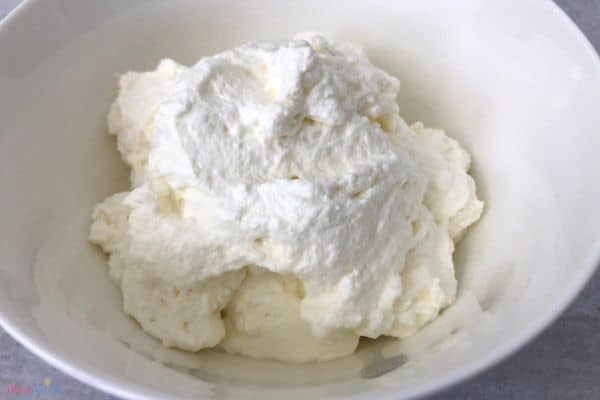
The Science of Whipped Cream
Watching heavy cream getting whisked until it turns into solid whipped cream is like watching magic. Learn the science behind whipped cream.

Easy science experiments kids will love! Hands-on STEM activities for toddlers through elementary – simple setups with big reactions using everyday supplies.
Watching heavy cream getting whisked until it turns into solid whipped cream is like watching magic. Learn the science behind whipped cream.
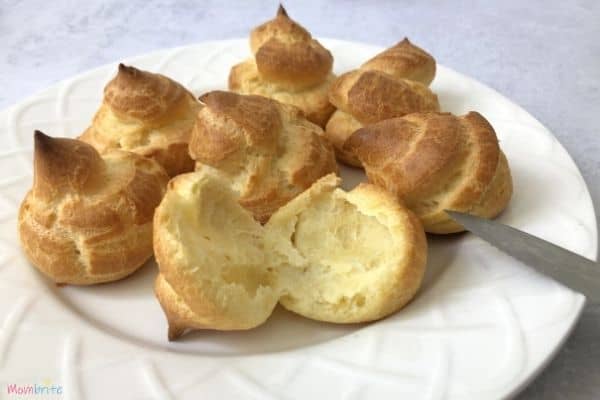
Understanding the science behind choux pastry will help you get the puffs that you need and a beautiful hollow center for delicious fillings!
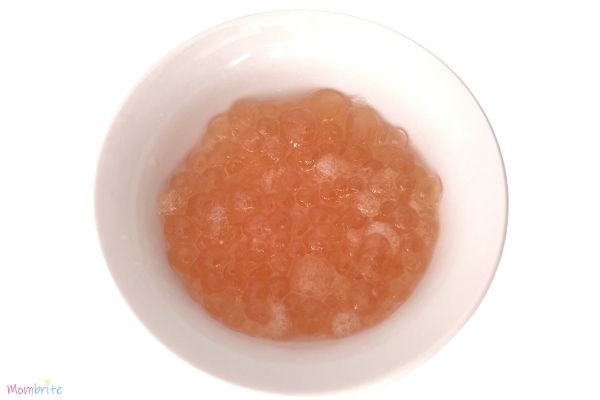
Drinking your juice or pouring hot sauce on your food is boring. Spherification allows you to make them into edible spheres and eat them like caviar!
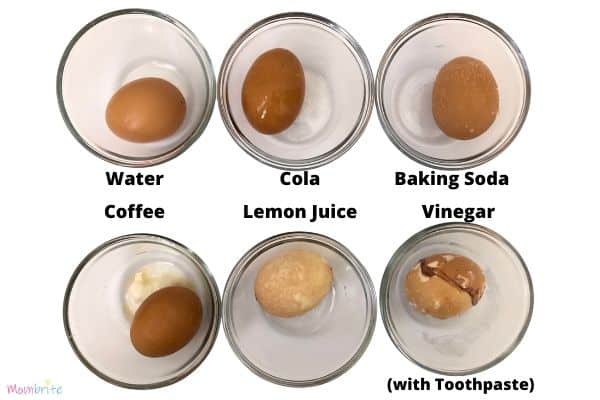
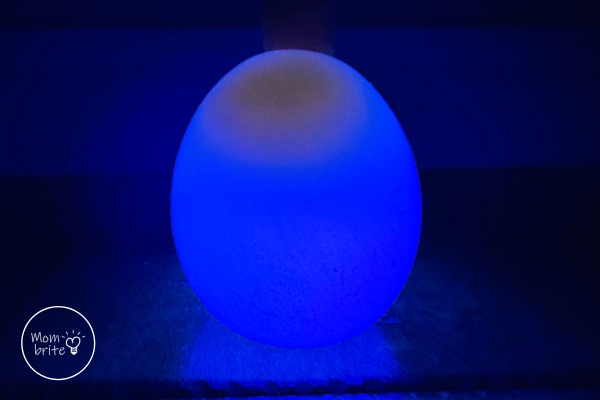
Do you have a kid who refuses to brush his teeth? After this tooth decay eggshell experiment, he might be running to brush his teeth after eating!
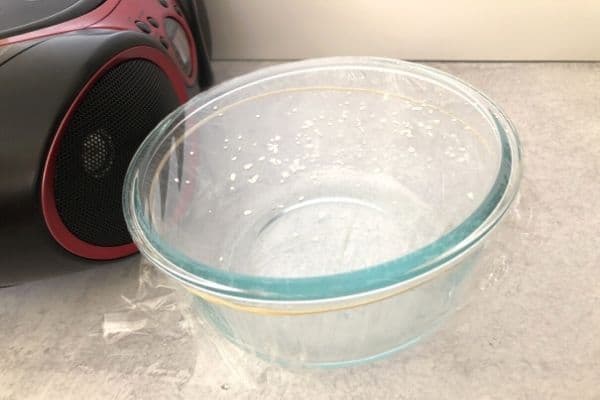
Learn how you can make salt dance and bounce with sound! This is a great science experiment for kids to "see" sound waves at work.
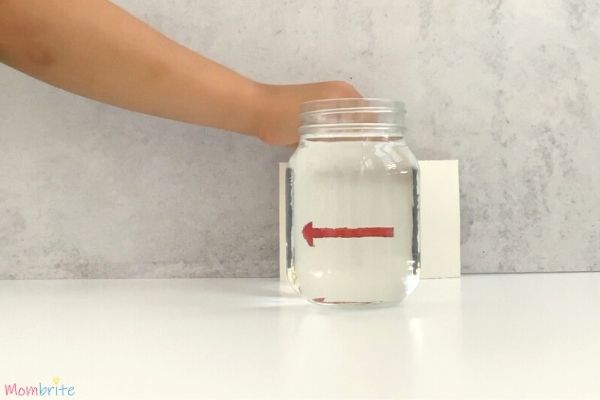
Learn how to make the arrow on a piece of paper magically reverse directions with just a bottle of water! Light refraction is the reason behind this trick.
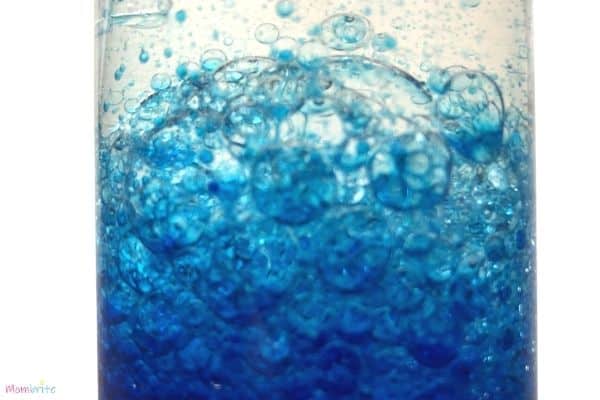
This ocean sensory bottle with baby oil is great for sensory play with young kids. Your kids will love having their own ocean in a bottle right at home!
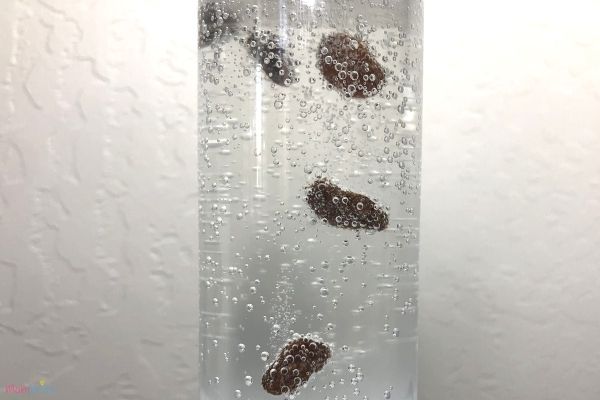
Watch raisins dance and have a party in a glass! You will love the meserizing movement of the raisins as they rise up and sink down over and over.
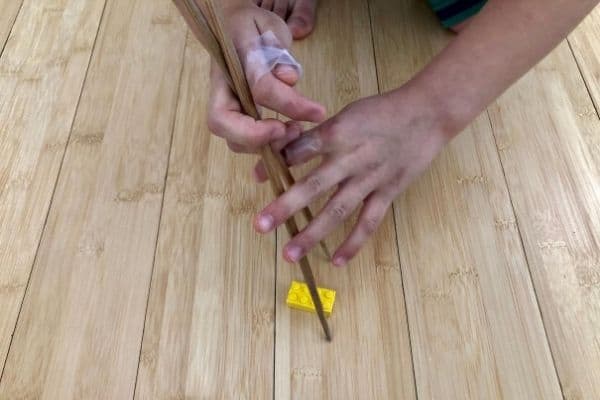
Discover just how important your opposable thumbs are with this fun finger taping challenge. Your kids will gain new appreciation for their thumbs!
EXPLORE MORE
Our science experiments make learning fun and hands-on. Each experiment uses simple household materials and includes clear step-by-step instructions, the science explanation behind what's happening, and safety guidelines. Perfect for curious kids who love asking 'why?' and parents who want to nurture that curiosity.
Yes! All experiments are designed with child safety in mind. We clearly mark any steps that need adult supervision and always list safety precautions upfront.
Our science experiments work for kids ages 3 through 12. Each experiment includes an age recommendation and tips for making it easier or more challenging.
Most experiments use household items like baking soda, vinegar, food coloring, and kitchen containers. We rarely require special equipment, and when we do, we suggest affordable alternatives.