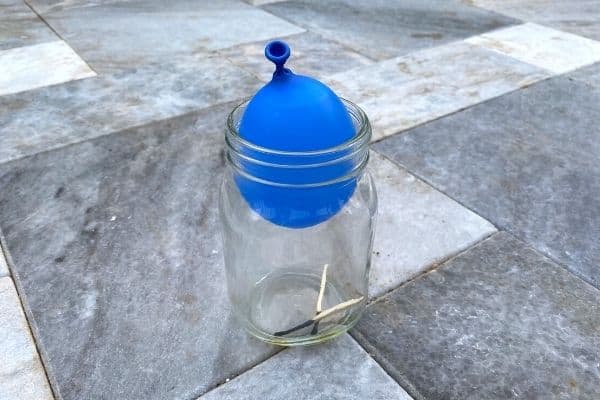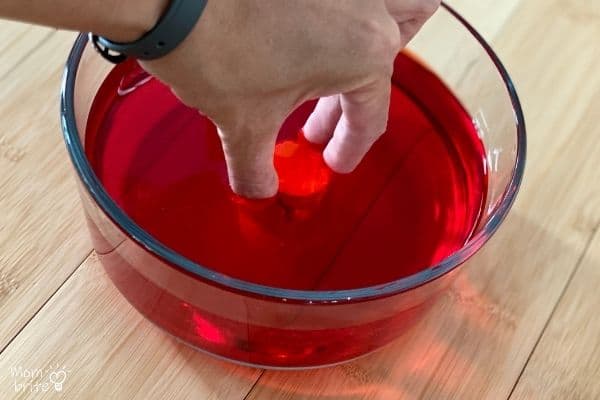
How to Keep Paper Towel Dry Under Water Science Experiment
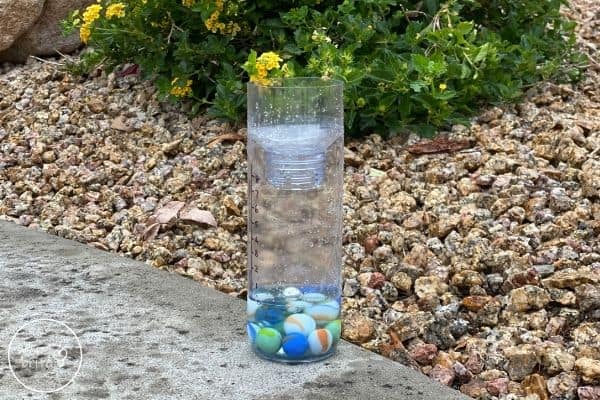
How can you keep paper towel dry under water? It seems impossible to keep a piece of paper towel from getting wet when submerged in

Easy science experiments kids will love! Hands-on STEM activities for toddlers through elementary – simple setups with big reactions using everyday supplies.
How can you keep paper towel dry under water? It seems impossible to keep a piece of paper towel from getting wet when submerged in
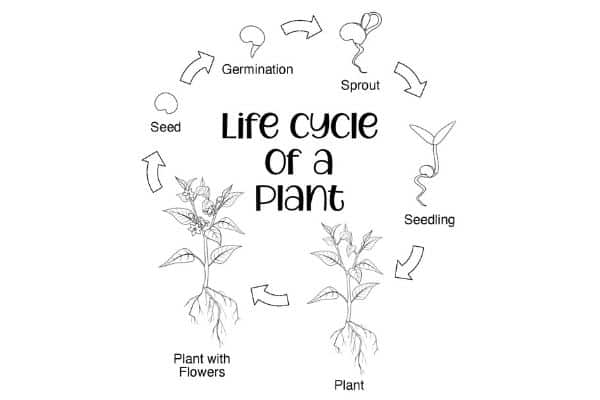
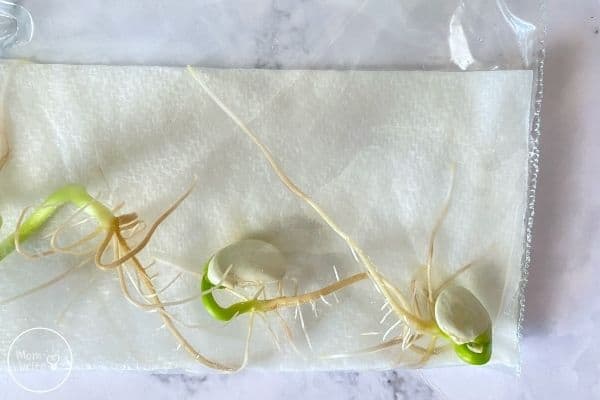
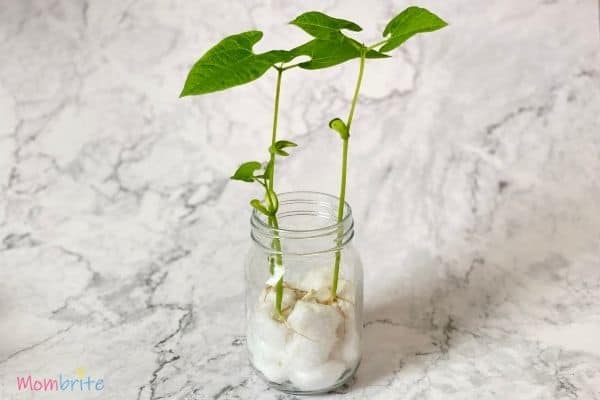
From a single seed to blossoming flowers, understanding the life cycle of a plant will teach kids to appreciate beautiful flowers and the fruits and vegetables we eat. The free printable worksheets will get your kids started on this fun science lesson!
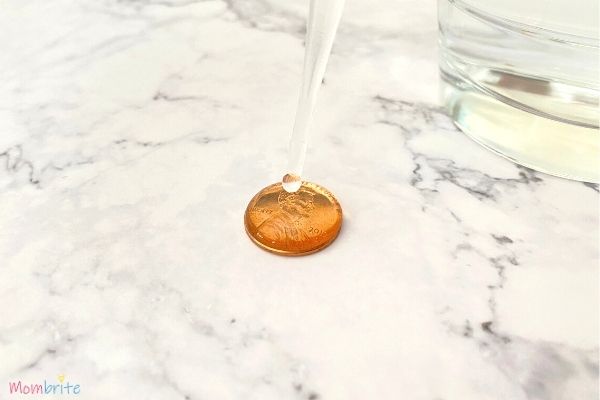
Discover how many drops of water fits on a penny in this simple science experiment. Your kids will be shocked at the result and learn about surface tension!
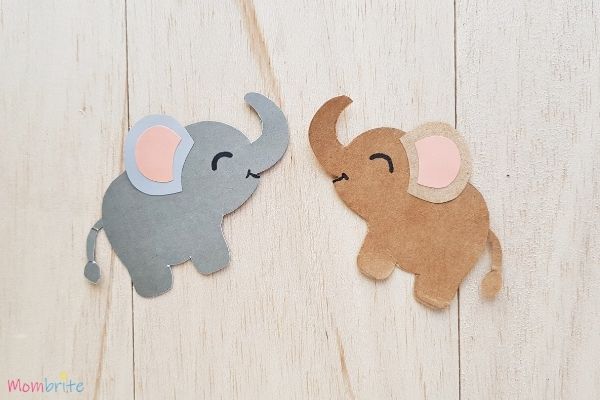
Make a cute elephant craft with your kids and learn about the world's largest land animal! This easy paper craft comes with a free printable elephant template.
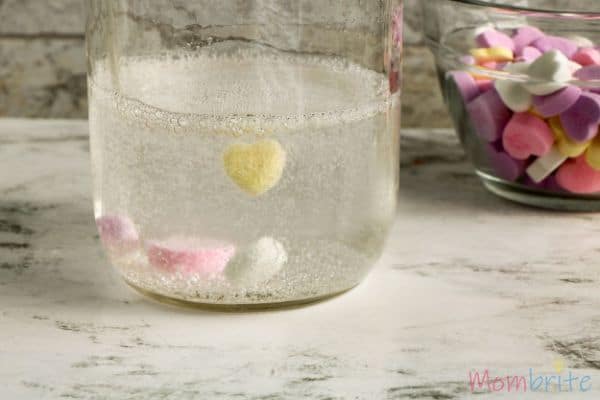
The dancing hearts experiment uses candy conversation hearts and is perfect for Valentine's Day. Your kids will love watching the hearts float up and sink down!
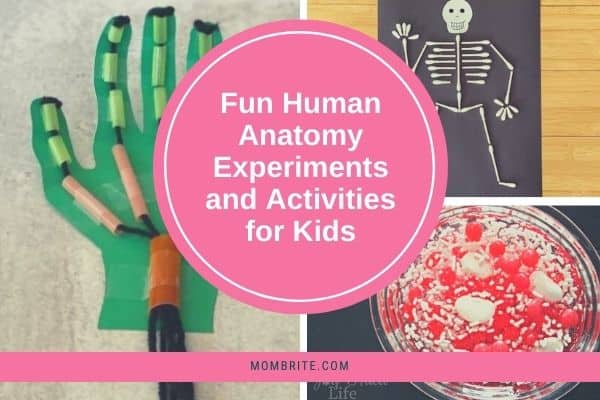
Whether your kid is a preschooler or goes to middle school, he or she will enjoy these human body activities while learning about how the human body works.
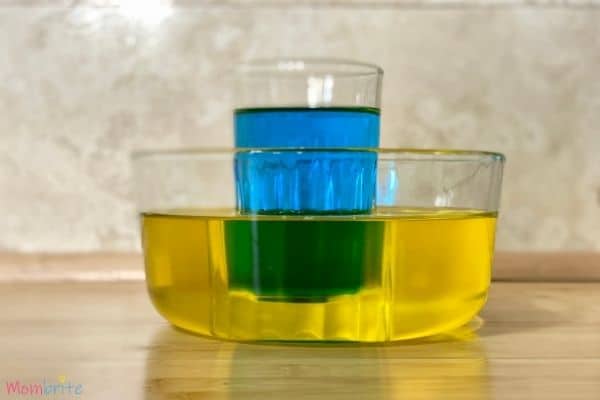
Teach your kids the color mixing with this simple and easy color-changing water science experiment. They will be amazed at how the water magically changes color!
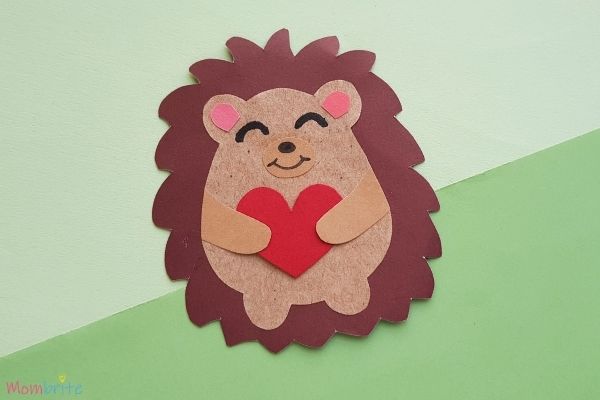
Make this cute paper hedgehog craft for Valentine's Day, Mother's Day, Father's Day, or any other special occasion! It's easy with the free printable template.

Grow your own Borax Crystal Hearts this Valentine’s Day as a fun holiday-themed science experiment. Your kids will be amazed at the crystal formation!
EXPLORE MORE
Our science experiments make learning fun and hands-on. Each experiment uses simple household materials and includes clear step-by-step instructions, the science explanation behind what's happening, and safety guidelines. Perfect for curious kids who love asking 'why?' and parents who want to nurture that curiosity.
Yes! All experiments are designed with child safety in mind. We clearly mark any steps that need adult supervision and always list safety precautions upfront.
Our science experiments work for kids ages 3 through 12. Each experiment includes an age recommendation and tips for making it easier or more challenging.
Most experiments use household items like baking soda, vinegar, food coloring, and kitchen containers. We rarely require special equipment, and when we do, we suggest affordable alternatives.