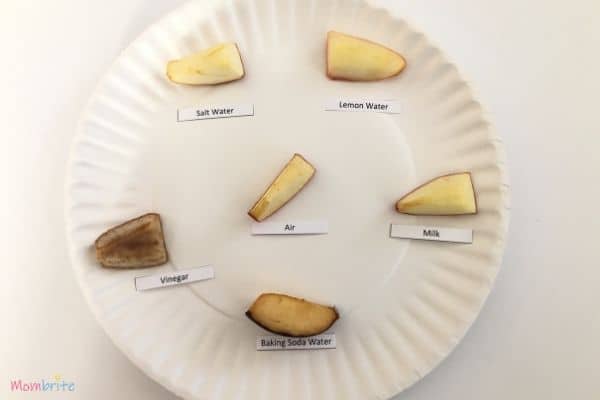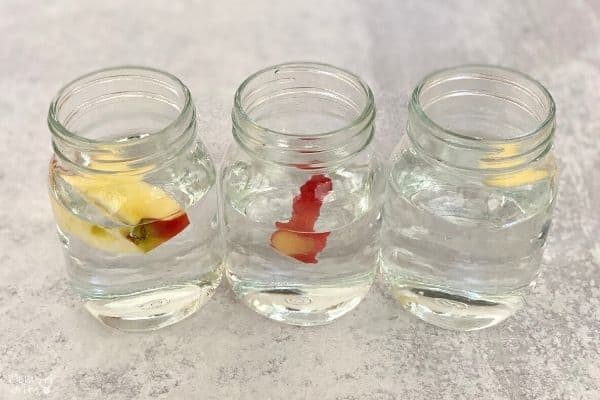
The Density of Apple Parts Experiment
Learn about the density of apple parts with this easy experiment that will let your kids discover whether the core, skin, and core of an apple will float.

Easy science experiments kids will love! Hands-on STEM activities for toddlers through elementary – simple setups with big reactions using everyday supplies.
Learn about the density of apple parts with this easy experiment that will let your kids discover whether the core, skin, and core of an apple will float.
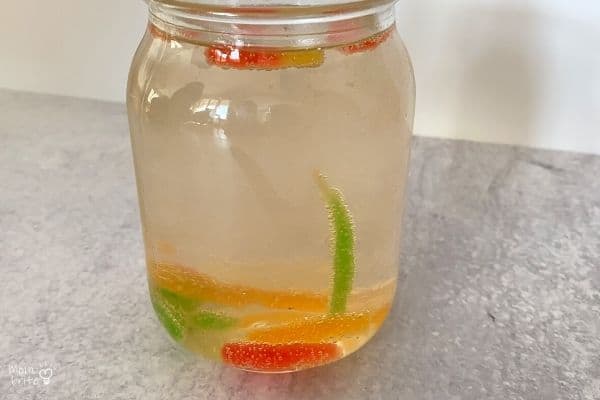
Get ready for Halloween with this dancing gummy worm science experiment. Watch in as your gummy worm science experiment comes alive and start boogying!
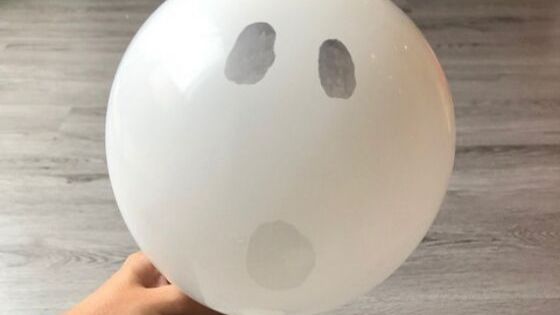
This self-inflating ghost balloon experiment is perfect to do with your preschooler for Halloween! All you need is vinegar, baking soda, a water bottle, and a balloon!
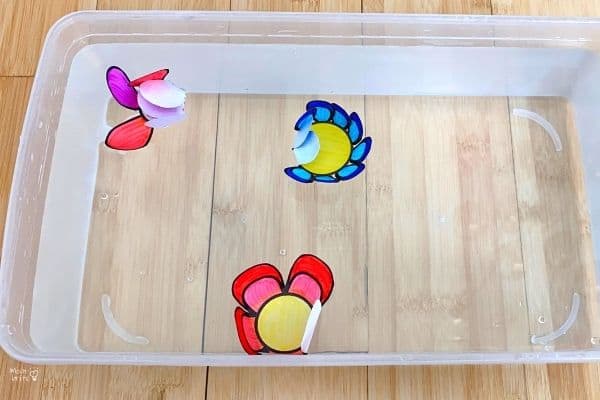
This blooming paper flowers experiment will make your kids believe in science magic! They will love watching the paper flowers open when placed in the water.
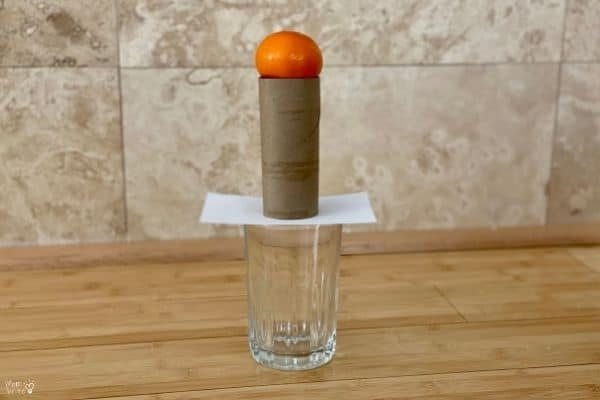
Have you seen the trick where the waiter would whip off the tablecloth without destroying the dishes or even a glass full of water? Nope,
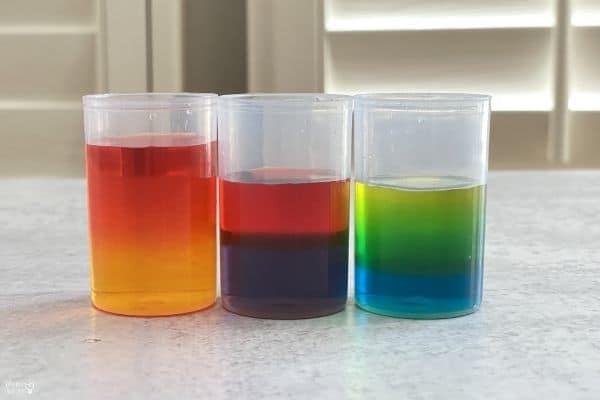
Kids can grasp the concepts of volume and weight fairly easier. An elephant is bigger and heavier than a field mouse. A feather is smaller
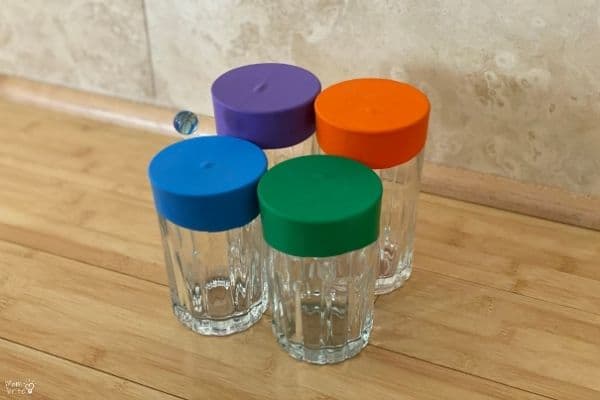
Your children will love this fun bouncing marble activity that uses cups, marbles, and balloons. It's a great indoor boredom buster for a rainy day.
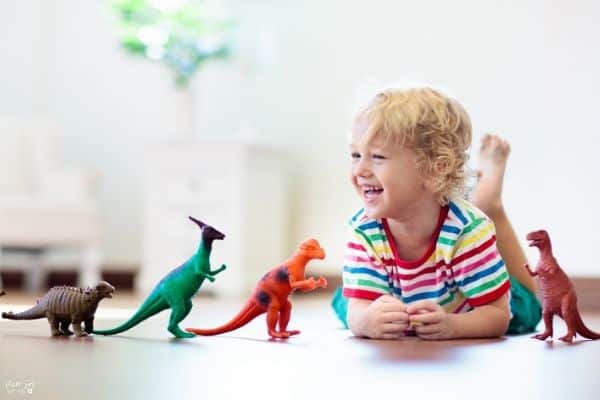
Preschoolers, kindergarteners, and elementary school kids “dig” dinosaur-themed crafts and activities. You can incorporate these creative ideas in your homeschooling and make learning extra fun!
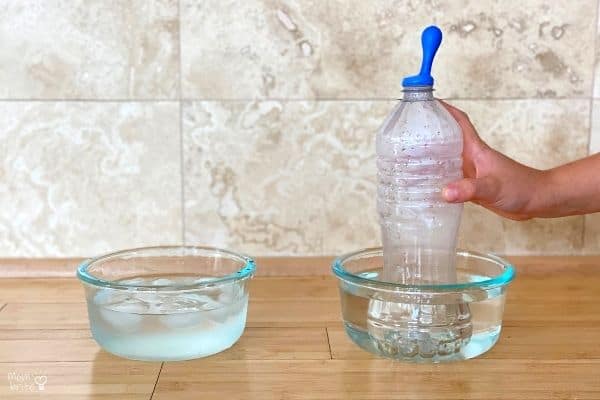
Your kids will be amazed at the effect of hot and cold water on a balloon in this easy and simple Hot and Cold Balloon Science Experiment.
EXPLORE MORE
Our science experiments make learning fun and hands-on. Each experiment uses simple household materials and includes clear step-by-step instructions, the science explanation behind what's happening, and safety guidelines. Perfect for curious kids who love asking 'why?' and parents who want to nurture that curiosity.
Yes! All experiments are designed with child safety in mind. We clearly mark any steps that need adult supervision and always list safety precautions upfront.
Our science experiments work for kids ages 3 through 12. Each experiment includes an age recommendation and tips for making it easier or more challenging.
Most experiments use household items like baking soda, vinegar, food coloring, and kitchen containers. We rarely require special equipment, and when we do, we suggest affordable alternatives.