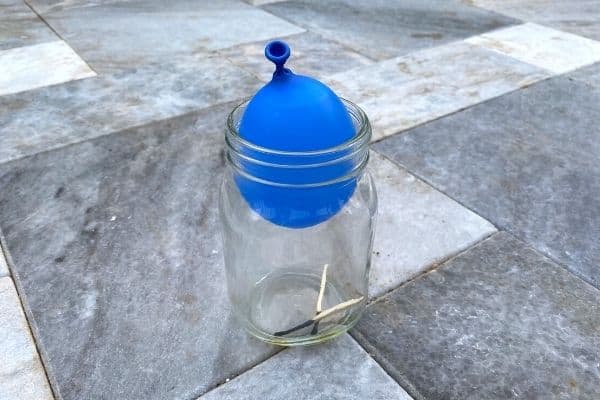
Easy Sound Wave Water Experiment for Kids
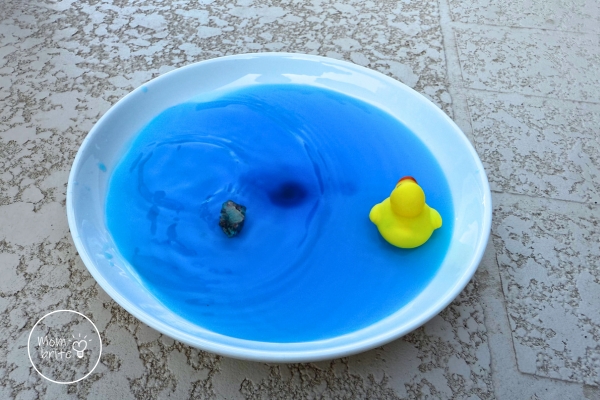
In this simple and easy sound wave water experiment, your kids will love watching "sound waves" radiate in all directions, just like ripples in water!

Easy science experiments kids will love! Hands-on STEM activities for toddlers through elementary – simple setups with big reactions using everyday supplies.
In this simple and easy sound wave water experiment, your kids will love watching "sound waves" radiate in all directions, just like ripples in water!
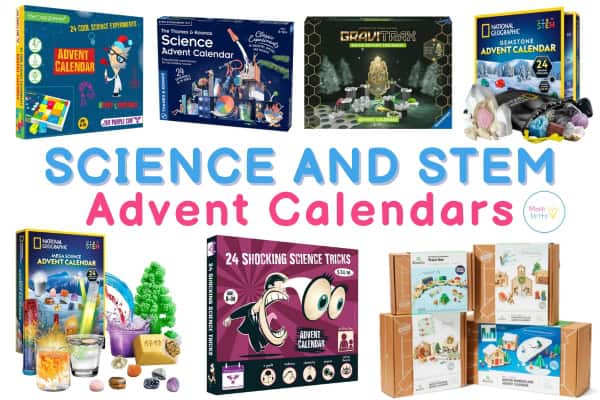
Discover the best Science & STEM Advent Calendars for kids and count down to Christmas with fun, hands-on science experiments and engineering projects everyday!
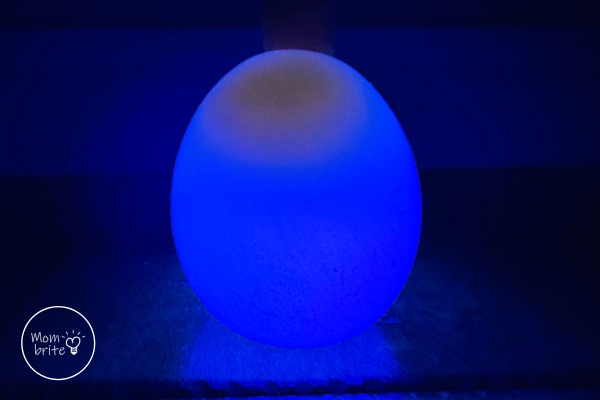
Learn how to make an egg appear translucent and glow under UV light in this Ghost Egg science experiment - perfect for Halloween science activities with kids.
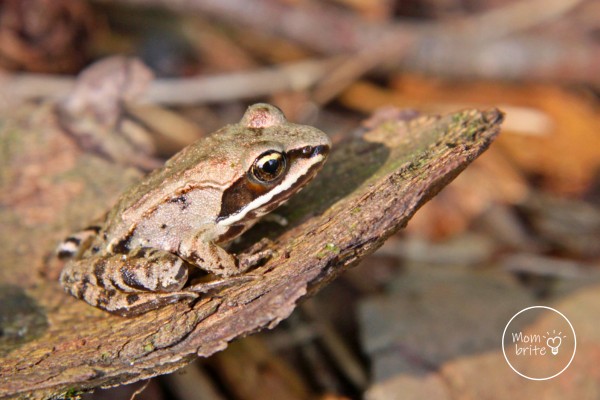
Discover how frogs survive in the cold winters, withstand freezing temperatures, and turn themselves into popsicles through this frozen frog science experiment!
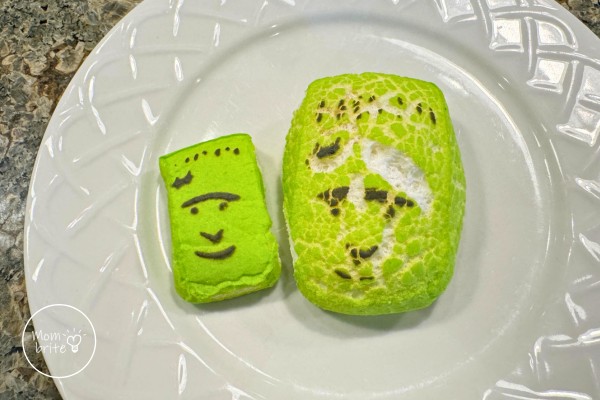
The Frankenstein marshmallow in microwave science experiment brings together the thrill of Halloween and the excitement of hands-on science. Have you ever wondered what happens

This rubbery reptile egg science experiment is a fun and educational STEM activity that teaches kids the differences between a reptile egg and a bird egg.
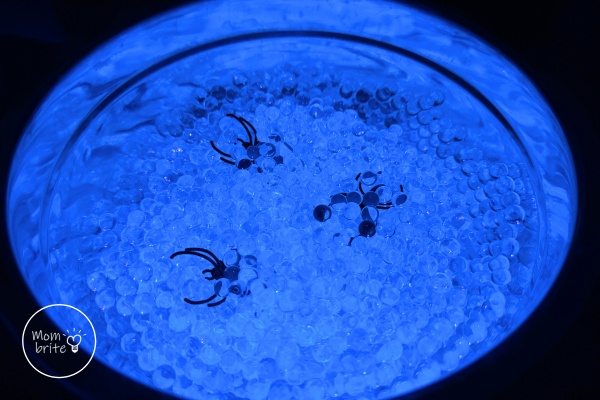
Looking for a cool Halloween activity that's fun and educational? Get ready to amaze your kids with glowing water beads that shine under black light!
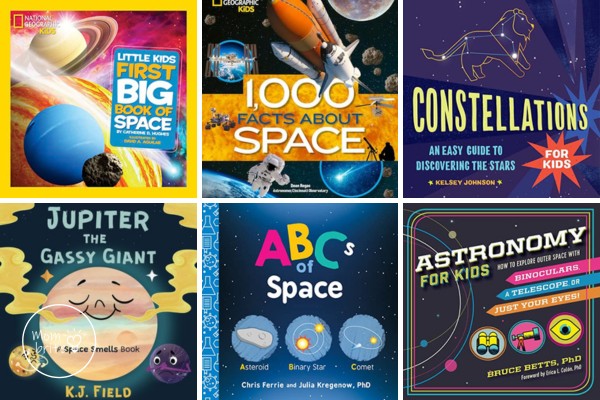
Looking for the best space books for kids? Buckle up and blast off into our list of books about space full of stars, planets, and other fun astronomy facts!
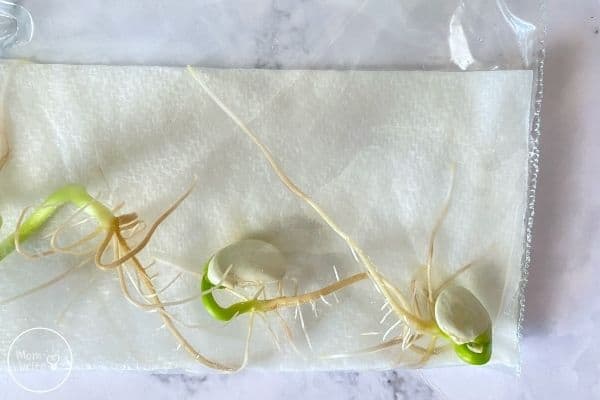
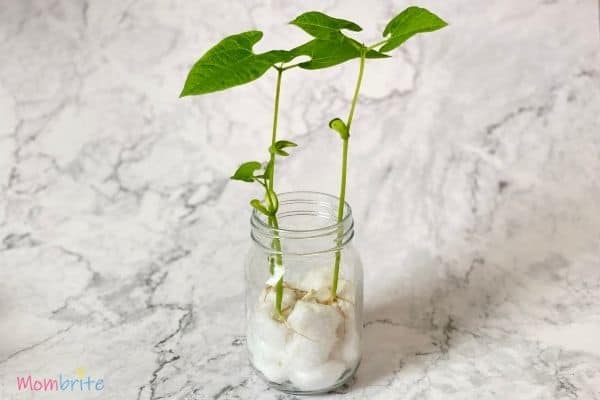
Your kids will love growing beans in a bag because they can watch the bean go through the different stages of the plant life cycle. It's an easy and interactive way to teach your kids about plant biology!
EXPLORE MORE
Our science experiments make learning fun and hands-on. Each experiment uses simple household materials and includes clear step-by-step instructions, the science explanation behind what's happening, and safety guidelines. Perfect for curious kids who love asking 'why?' and parents who want to nurture that curiosity.
Yes! All experiments are designed with child safety in mind. We clearly mark any steps that need adult supervision and always list safety precautions upfront.
Our science experiments work for kids ages 3 through 12. Each experiment includes an age recommendation and tips for making it easier or more challenging.
Most experiments use household items like baking soda, vinegar, food coloring, and kitchen containers. We rarely require special equipment, and when we do, we suggest affordable alternatives.